Silent Emergency Backup: 2000W 5100Wh Solar UPS
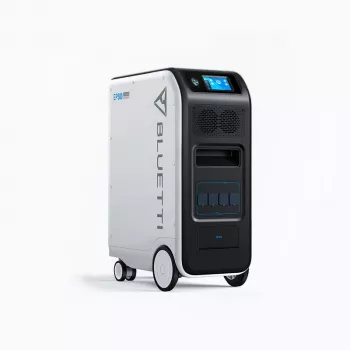
Solar Power Station Backup Power Without the Noise or Fuel
A high-capacity solar power station with UPS functionality can keep essentials running when the grid goes down—without fuel, fumes, or the constant roar of a traditional generator. With 5100Wh of stored energy and up to 2000W of output, a system in this class is built for emergency home backup, critical electronics, and select appliances during outages. It’s also a practical way to add “buffer power” for sensitive devices that don’t handle sudden shutoffs well.
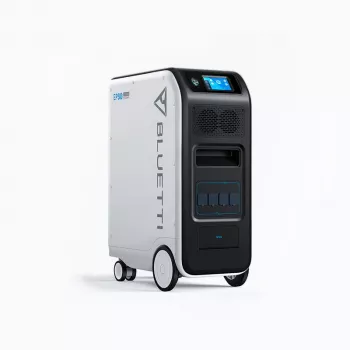
If you’re shopping for a robust option, the Solar Power Station 2000W 5100Wh UPS Battery Backup with AC Outlets for Emergency Use is designed for high-capacity storage, dependable AC output, and UPS-style behavior to help bridge short interruptions.
What This Power Station Is Designed to Handle
A 2000W / 5100Wh power station is most useful when it’s treated like a “priority power hub” rather than a whole-house replacement. Typical real-world uses include:
- Emergency home backup for priority circuits and devices: router/modem, phones, laptops, lamps, medical devices, and select kitchen appliances.
- Short outages where UPS behavior matters: helping reduce interruptions to sensitive electronics during brief dropouts.
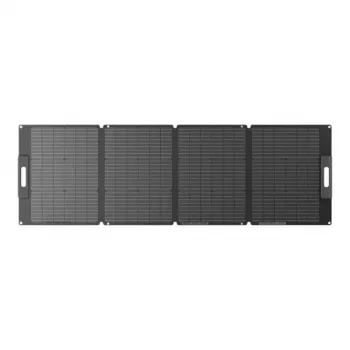
- Longer outages when paired with solar panels: recharging in daylight to extend runtime beyond the internal battery.
- Indoor-friendly operation compared with fuel generators: no gasoline storage and no carbon monoxide risk from combustion (still follow manufacturer guidance for placement, clearance, and cooling airflow).
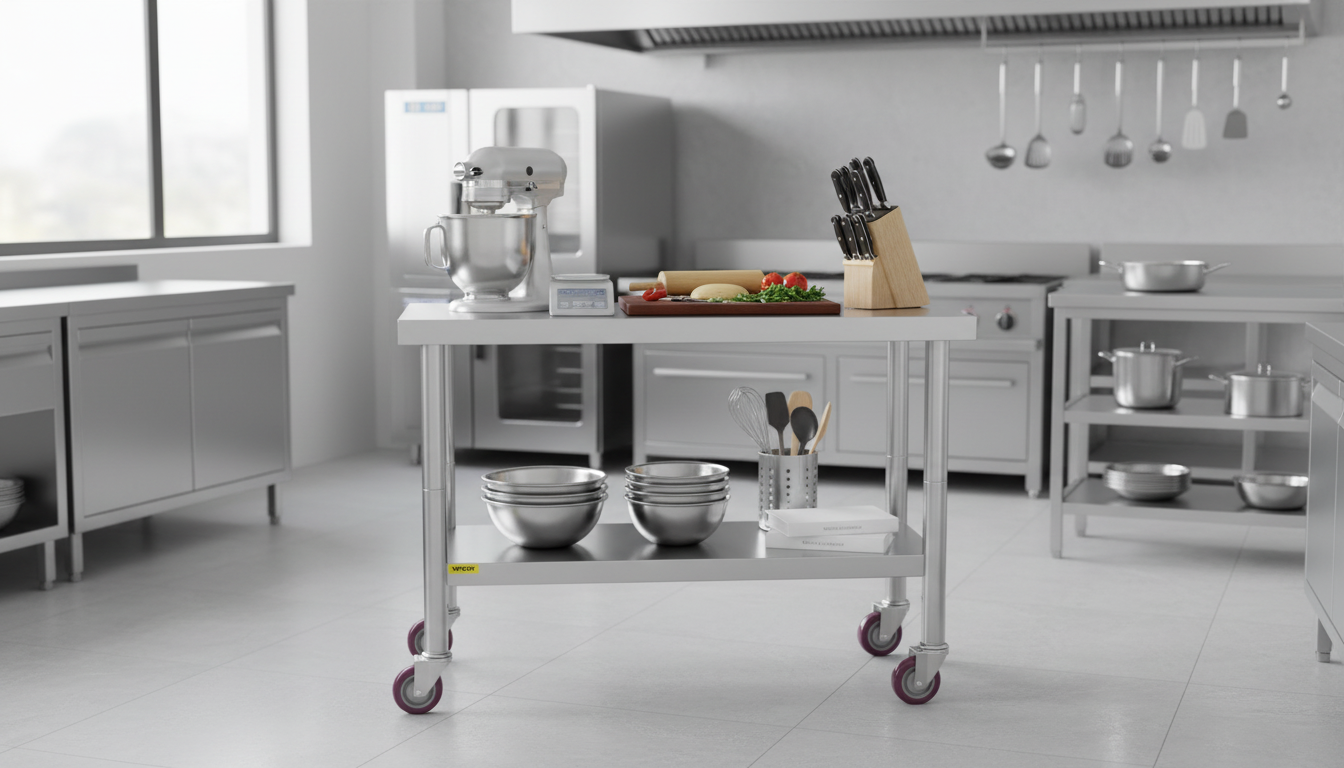
For preparedness beyond power, a stable staging area and easy-to-move supplies can make outages less stressful. A rolling surface like the Stainless Steel Kitchen Work Table with Wheels can help organize lanterns, chargers, and pantry items, while the Foldable Utility Shopping Cart with Wheels & Telescopic Handle is handy for moving water, batteries, or heavy gear if you’re navigating stairs or a garage.
Key Specs to Understand: 2000W Output and 5100Wh Capacity
Two numbers tell most of the story:
- 5100Wh capacity (energy): indicates how long devices can run. Higher watt-hours generally equals longer runtime.
- 2000W output (power): indicates how much can be run at once. This matters for appliances with higher continuous draw.
- Surge demands: refrigerators, pumps, and other motor loads can require much higher starting watts than running watts. Confirm surge capability in the product details before relying on it for motorized appliances.
- Charging paths: wall charging is typically the fastest refill when the grid is available; solar input enables renewable charging during outages; vehicle charging can add flexibility for travel or evacuation scenarios.
Quick sizing guide for common emergency devices
| Device | Typical power draw (W) | What matters most | Notes |
|---|---|---|---|
| Phone charger | 5–20 | Wh capacity | Multiple charges usually require very little energy |
| Wi‑Fi router + modem | 10–40 | Wh capacity | Keeping internet up can be low-watt but time-sensitive |
| Laptop | 30–100 | Wh capacity | Consider charging cycles rather than constant draw |
| LED lamp | 5–15 | Wh capacity | Several lights can run for many hours on large capacity |
| Refrigerator (running) | 100–300 | W output + surge | Start-up surge can be several times higher than running |
| CPAP (no heated humidifier) | 30–60 | Wh capacity | Check DC options to improve efficiency |
| Microwave | 800–1500+ | W output | Short bursts; verify continuous output headroom |
UPS Backup and What It Means During an Outage
A UPS-style feature is about continuity: when utility power drops, the power station attempts to keep connected devices from shutting off. That can protect workflows and reduce frustration—especially for internet equipment, computers, NAS storage, home security hubs, aquarium pumps, and certain medical devices (confirm device manufacturer guidance for backup power compatibility).
AC Outlets and Power Management in Real Use
For broader outage planning guidance, Ready.gov’s power outage resources are a solid baseline for checklists and safety considerations.
Charging Strategy for Multi-Day Emergencies
Simple outage energy budget template
| Load | Watts (W) | Hours/day | Daily energy (Wh) |
|---|---|---|---|
| Router + modem | 25 | 24 | 600 |
| LED lighting (total) | 20 | 6 | 120 |
| Phone charging | 15 | 2 | 30 |
| Laptop | 60 | 3 | 180 |
| Refrigerator (average) | 150 | 8 | 1200 |
For help thinking in energy terms (watts vs. watt-hours) and reducing waste, the U.S. Department of Energy’s Energy Saver guides are useful for understanding household consumption patterns.
Safety, Maintenance, and Readiness Checks
When comparing power stations, it’s also smart to look for credible safety and compliance markers. UL Solutions provides an overview of safety standards and certification concepts that can help you evaluate electronics intended for home use.
Featured In-Stock Essentials
- Solar Power Station 2000W 5100Wh UPS Battery Backup with AC Outlets for Emergency Use
- Stainless Steel Kitchen Work Table with Wheels
- Foldable Utility Shopping Cart with Wheels & Telescopic Handle
FAQ
How long can a 5100Wh power station run a refrigerator during an outage?
Runtime depends on the fridge’s average wattage and how often the compressor cycles. A rough estimate is 5100Wh ÷ average running watts, then subtract for inverter losses; for example, a 150W average load could be roughly 25–30 hours in ideal conditions. Also confirm the refrigerator’s start-up surge is within the power station’s surge capability.
Can a UPS power station keep a Wi‑Fi router and modem running without interruption?
UPS mode is intended to bridge outages, but transfer behavior varies by model and by load. Keep the total load low and test your specific router/modem by unplugging wall power to confirm it stays online as expected.
Is it safe to use a solar power station indoors for emergency backup?
Battery power stations don’t produce combustion fumes like gas generators, which makes them far more suitable for indoor use. Still, they need proper clearance and ventilation for cooling, must be kept dry, and should be used according to the manufacturer’s safety instructions.







Leave a comment