Pet Travel Checklist: Safe Packing for Dogs & Cats
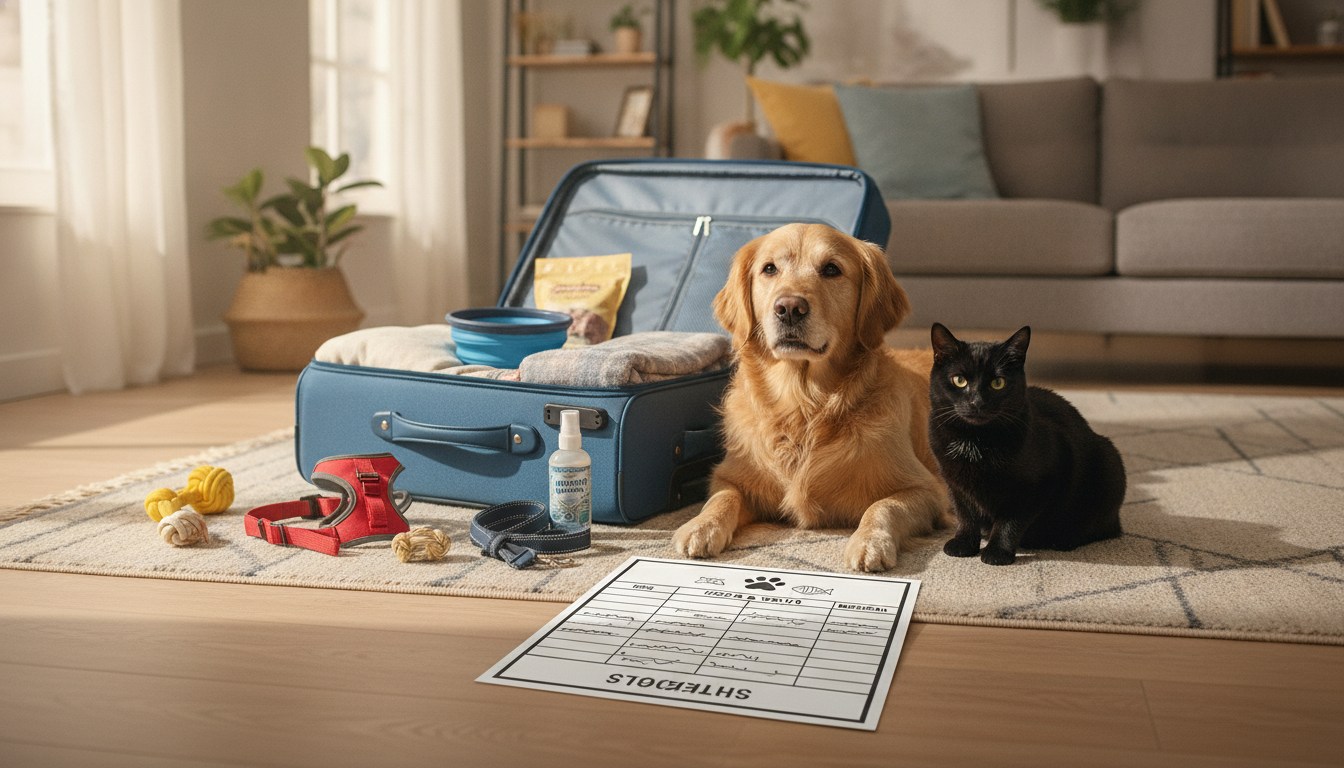
Pet Travel Essentials Checklist for Safe Trips (Dogs & Cats)
Safe pet travel comes down to preparation: the right gear, the right documents, and a plan for comfort breaks, feeding, and emergencies. Whether you’re doing a quick drive to visit family or a multi-day vacation, use the sections below to build a reliable packing list for dogs or cats—then keep it as a repeatable routine so you’re not scrambling at the last minute.
Before You Pack: Quick Safety Prep
- Confirm your pet’s ID: Make sure the collar tag is readable and your microchip registration is current. Add a temporary travel tag with your cell number and destination address.
- Schedule health needs: Refill prescriptions, confirm flea/tick prevention timing, and request vaccination records if your hotel or rental requires them.
- Choose travel restraint: Dogs should ride in a crash-tested harness or a secured crate. Cats should travel in a sturdy carrier or crate. Pets should never roam in a moving vehicle.
- Plan comfort breaks: Map pet-friendly stops. Many dogs do best with breaks about every 2–3 hours, while cats typically need fewer “out of carrier” moments—plan quiet, enclosed checks instead.
- Temperature rules: Never leave a pet in a parked car. Consider window shades and a simple car thermometer when traveling in warm weather.
Travel Documents & Must-Have Information
Documents aren’t glamorous, but they prevent the most avoidable travel problems—like being turned away by lodging, or losing time in an emergency.
- Vaccination and medical records: Bring a rabies certificate, your vet’s contact info, and written care instructions for any medical conditions.
- Medication list: Write the medication name, dose, schedule, and what to do if a dose is missed. Include the pharmacy name and phone number for refills.
- Emergency contacts: Save and print the phone numbers for an emergency vet near your destination and one or two along your route.
- Lodging/transport rules: Confirm pet fees, weight limits, carrier requirements, and any breed restrictions where applicable.
- Recent photos: Store clear head-and-body photos offline on your phone (and consider printing one copy) in case of separation.
For travel safety guidance and general best practices, the American Veterinary Medical Association (AVMA) is a helpful reference.
Packing List: Food, Water, and Feeding Routine
- Food for the full trip + extra: Pack enough for the trip plus 2–3 extra days for delays. Use a sealed container to reduce odors and pests.
- Collapsible bowls: Bring at least one water bowl and one food bowl. Non-slip bases can make rest stops cleaner and quicker.
- Bottled or familiar water: Some pets get stomach upset from sudden water changes. If switching water sources, do it gradually when possible.
- Treats and chews: Use them for positive reinforcement during rest stops and to build a calm association with the carrier/crate.
- Feeding timing: Avoid a large meal right before departure. Smaller meals and steady hydration breaks often reduce nausea.
Comfort & Containment: Carriers, Bedding, and Stress Reduction
- Carrier/crate essentials: Choose the correct size so your pet can stand, turn, and lie down. Check latches, and add a familiar blanket for scent comfort.
- Bedding and cleanup layers: Pack a washable pad plus a spare towel. Keep a roll of trash bags for quick, low-mess disposal.
- Calming aids (optional): Pheromone sprays, calming collars, or vet-approved supplements can help some pets—test at home first so travel day isn’t the first trial.
- Favorite items: Bring one toy or comfort object. For long trips, rotate items to prevent overstimulation and keep novelty low.
- Noise and motion support: Keep the car cool and steady, minimize loud music, and use a sunshade on the pet’s side if glare is an issue.
Hygiene & Cleanup Kit (Road Trip Reality Check)
Essentials by Trip Type (Quick Pick List)
| Item | Short drive (1–2 hrs) | Road trip (multi-day) | Flight or long transit |
|---|---|---|---|
| Water + bowl | Yes | Yes (extra) | Yes (spill-resistant if possible) |
| Leash + harness | Yes | Yes (backup leash) | Yes (airport-safe setup) |
| Carrier/crate | Recommended | Yes | Required |
| Food + measured portions | Optional | Yes | Yes (pre-portioned) |
| Waste supplies / litter setup | Yes | Yes (extra) | Yes (compact) |
| Medication + copies of records | If needed | Yes | Yes |
| Enzyme cleaner + wipes | Recommended | Yes | Yes |
| Comfort item (blanket/toy) | Recommended | Yes | Yes |
Health & First Aid: What to Bring and What to Skip
For toxin concerns, keep the ASPCA Animal Poison Control Center information accessible before you travel.
On-the-Road Routine: Stops, Sleep, and Arrival
If your trip includes border crossing or return travel requirements, check the latest rules with the CDC guidance on bringing an animal into the United States.
Printable Planning Tools for Repeatable, Low-Stress Packing
Helpful items to keep your system organized
- Printable Pet Travel Essentials Checklist and Planner (easy to print, reuse, and keep in the car)
- Foldable Utility Shopping Cart with Wheels & Telescopic Handle (handy for hauling food bins, litter, and a carrier through parking lots or hotels)
FAQ
How often should dogs take breaks on a road trip?
Many dogs do best with a break about every 2–3 hours, but puppies, seniors, and dogs traveling in heat may need more frequent stops. Each break should include a short walk, a chance to drink, and a quick check for stress or overheating.
What’s the safest way for a cat to travel in a car?
The safest setup is a secure carrier or crate that’s seat-belted or otherwise stabilized so it can’t slide. Avoid letting cats roam in the car, and only open the carrier once you’re in an enclosed, closed-door space to reduce escape risk.
What should be in a pet travel first-aid kit?
Bring gauze pads, self-adhering wrap, blunt-tip scissors, tweezers, gloves, and a digital thermometer, plus your pet’s prescriptions and emergency vet numbers. Skip unapproved human medications unless your veterinarian has provided specific dosing instructions for your pet.












Leave a comment