Mindful Clarity Printable Journal: Mindfulness, Gratitude
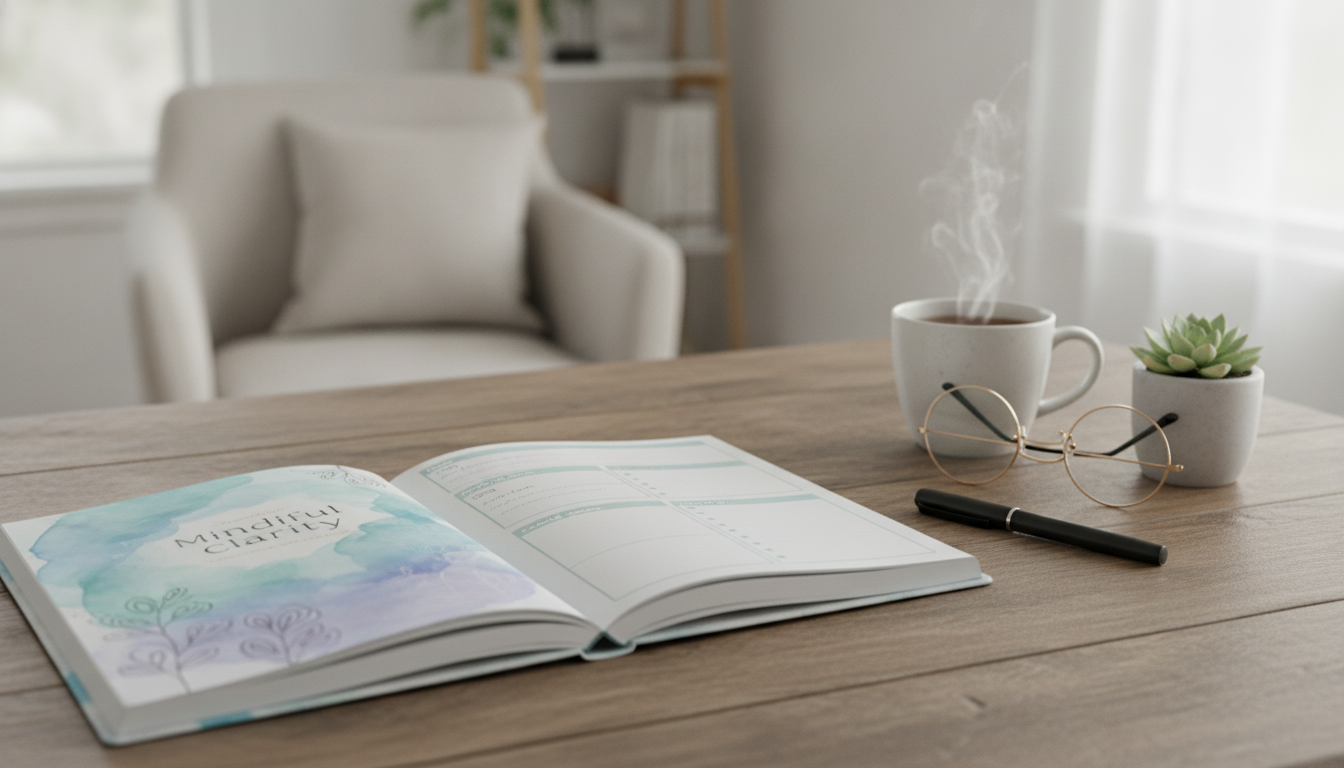
Mindful Clarity: A Printable Journal for Daily Mindfulness, Gratitude, and Reflection
A steady journaling routine can make it easier to slow racing thoughts, notice what’s going well, and respond to stress with more intention. This printable journal combines short daily mindfulness check-ins, structured gratitude exercises, and reflective quotes designed to support mental well-being—without requiring long writing sessions.
Mindfulness practices are widely discussed as a way to build awareness and reduce stress reactivity; the American Psychological Association offers a helpful overview of what mindfulness is and how it’s used in everyday life. Pairing that awareness with gratitude and reflection can make the routine feel both calming and practical.
What a Mindfulness-and-Gratitude Journal Routine Can Do
- Creates a consistent pause point in the day to notice emotions, body sensations, and stress signals
- Helps shift attention from rumination toward observations and practical next steps
- Builds a record of small wins and supportive moments that can be revisited on hard days
- Encourages self-compassion by turning self-talk into kinder, more accurate language
- Supports habit-building through repeatable prompts that reduce decision fatigue
When the page already has a structure, it’s easier to show up even when energy is low. Over time, the value often comes from the “trail of evidence” you create—proof of what helps, what drains you, and which choices reliably steady your mood.
How the Printable Format Fits Real Life
- Print only the pages needed (daily pages, weekly reflections, or specific exercises) to keep the routine lightweight
- Use a binder or clipboard setup for easy page rotation and a clean start whenever needed
- Keep a few copies at home, work, or in a bag to reduce friction when motivation is low
- Works well with pen-and-paper preferences while still allowing a repeatable structure
- Pairs naturally with a short breathing practice or a timed 3–5 minute check-in
Simple ways to use the journal
| Time available | Best page type | What to focus on |
|---|---|---|
| 2–3 minutes | Daily check-in | Name the feeling, one supportive action |
| 5 minutes | Gratitude exercise | Specific details and why it mattered |
| 10 minutes | Reflection prompts | Patterns, triggers, and alternatives |
| 15 minutes weekly | Weekly review | Progress notes and a realistic intention |
Inside the Daily Mindfulness Prompts
- Quick grounding questions that bring attention to breath, body, and immediate surroundings
- Mood and stress snapshots that help track patterns without overanalyzing
- One small intentional action prompt to translate insight into a doable step
- Space for a short note on what’s needed right now (rest, connection, boundaries, movement)
- Optional end-of-day reset to close mental loops and reduce bedtime rumination
The goal isn’t to “fix” your mood on demand—it’s to notice what’s happening early enough to respond with care. If you tend to power through stress signals, a daily check-in can act like a gentle dashboard: not a judgment, just information.
Mindfulness and meditation are also discussed in terms of effectiveness and safety by the National Center for Complementary and Integrative Health (NCCIH), including how these practices are used for stress and well-being.
Gratitude Exercises That Feel Genuine (Not Forced)
- Uses specificity: focusing on one concrete moment rather than a generic list
- Invites meaning-making: why the moment mattered, what value it points to, and how to repeat it
- Balances positivity with honesty by allowing a “hard thing + helpful thing” format
- Encourages relational gratitude (support received, kindness given, boundaries respected)
- Includes prompts that work even on low-energy days (e.g., “one thing that was slightly easier today”)
Gratitude tends to land better when it stays real. Instead of “I’m grateful for my life,” try: “I’m grateful for the warm mug in my hands at 7 a.m., because my shoulders dropped for the first time today.” That level of detail makes it easier to remember what actually helps and to build more of it in small ways.
For a deeper look at the research and everyday practice of gratitude, Greater Good Magazine (UC Berkeley) collects accessible articles and insights on gratitude and well-being.
Using Reflective Quotes Without Turning Them Into Pressure
A 7-Day Starter Plan (Low-Pressure, Repeatable)
Who This Journal Tends to Help Most
Printable Journal Spotlight: Mindful Clarity
If you’re looking for a guided, printable routine that stays brief but meaningful, Mindful Clarity: Journal & Prompts (Printable Journal) is designed around daily mindfulness prompts, gratitude exercises, and reflective quotes that support mental well-being without requiring long writing sessions.
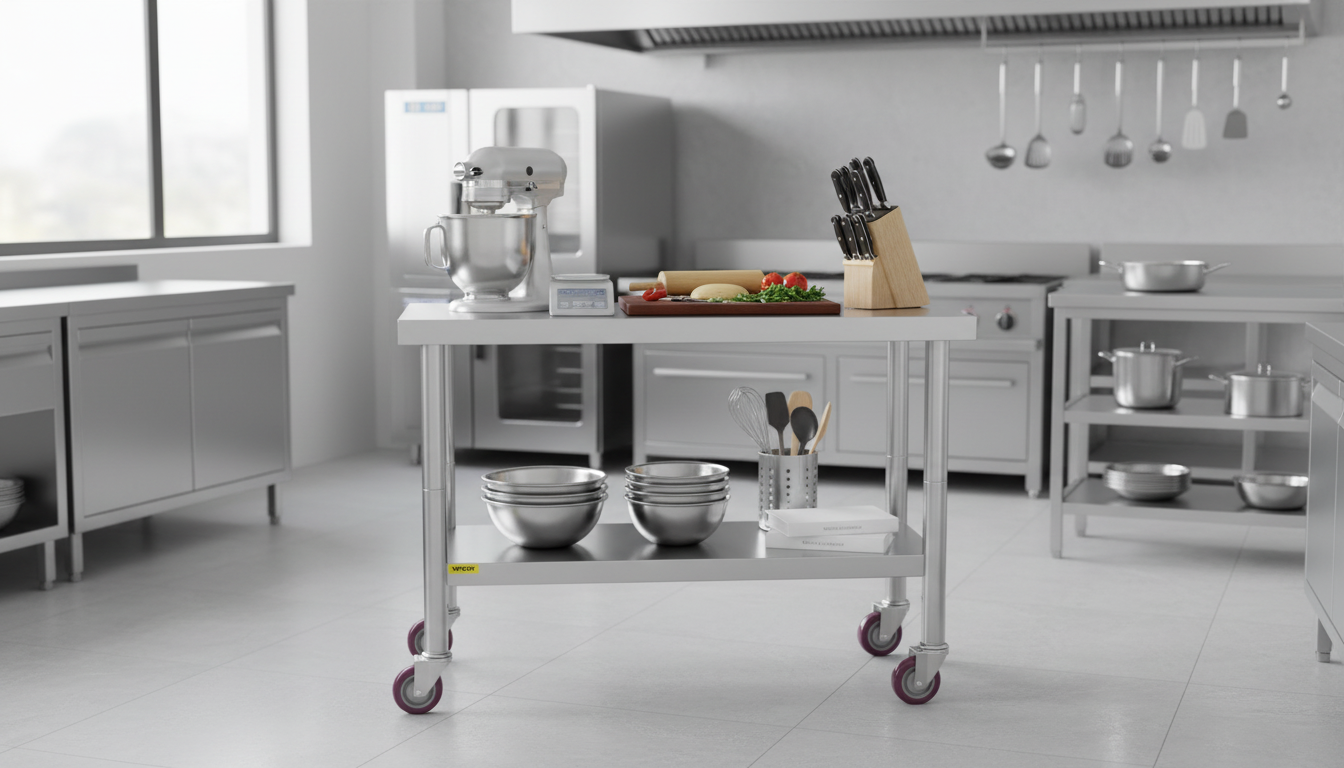
To keep your setup friction-free, a dedicated “journaling spot” helps. A compact rolling cart like the Foldable Utility Shopping Cart with Wheels & Telescopic Handle can hold printed pages, pens, and a clipboard, then tuck away when you want a cleaner space. If you prefer a stable writing surface for a morning routine, a sturdy prep-style station such as the Stainless Steel Kitchen Work Table with Wheels can double as a dedicated reset corner for journaling, tea, and a quick breathing break.
FAQ
How long should a daily journaling session take?
Aim for 3–10 minutes most days, with a 2-minute minimum on busy days. Consistency matters more than length, so it’s fine to answer just one prompt and stop.
What if gratitude journaling feels unrealistic during a hard week?
Use “micro-gratitude” or neutral gratitude: a small comfort, a helpful text, a moment of relief, or something that was slightly easier. A balanced format—“hard thing + helpful thing”—keeps it honest while still giving your mind a place to rest.
Is a printable journal better than a notebook?
A printable journal is flexible: you can print only what you need, restart anytime, and organize pages in a binder. A notebook can work just as well—the best choice is the one you’ll actually use consistently.









Leave a comment