Memory Boost Worksheets: Printable & Digital Recall Plans

Memory Boost Worksheets for Students & Adults: Printable Exercises, Digital Tools, and Practical Recall Routines
Memory improves fastest when practice is structured: short sessions, clear cues, and consistent review. Printable and digital worksheets can turn proven memory methods into daily habits for students preparing for exams and adults managing busy schedules. The goal isn’t to “read more” or highlight harder—it’s to practice the parts of memory that make information stick and show up on demand. For a quick definition of what memory involves, the APA Dictionary of Psychology is a helpful reference point.
What “memory practice” actually trains
- Working memory: holding and manipulating information for minutes (mental math, following multi-step directions).
- Encoding: turning new material into stable traces using attention, organization, and meaning.
- Retrieval: pulling information back out using cues (practice tests, recall prompts, spaced review).
- Metacognition: noticing what is truly remembered vs. what only feels familiar (self-checks and error logs).
Worksheets help because they convert these skills into visible steps: write the cue, attempt recall, check, correct, and schedule the next round. Over time, this builds a reliable “recall loop” instead of a last-minute cram cycle.
Who benefits most from worksheet-based training
- Students: vocabulary, formulas, dates, definitions, and step-by-step procedures improve with active recall and spaced repetition prompts.
- Adult learners: certifications, language study, professional training, and skill refreshers fit well into bite-size daily sessions.
- Busy professionals: worksheet routines reduce decision fatigue by providing a ready-made structure and tracking.
- Older adults: consistent recall practice and attention exercises can support day-to-day functioning (names, errands, routines) when paired with healthy sleep and movement. The National Institute on Aging offers practical context on normal forgetfulness and when to pay attention to changes.
Core worksheet exercises that build recall
Active recall prompts
These pages force closed-book retrieval: write what you remember, then check and correct. The “power move” is correcting immediately and rewriting the corrected version once—this turns mistakes into durable learning instead of vague frustration.
Spaced repetition planner
A simple calendar (Day 1, 3, 7, 14) beats random “review when I have time.” Spacing also keeps sessions shorter because you’re not re-studying everything every day.
Chunking and organization
Long lists become manageable when grouped into categories, hierarchies, or mind maps. Chunking is especially useful for anatomy terms, historical timelines, and multi-step work procedures.
Mnemonic builders
Templates for acronyms, acrostics, peg lists, or a method-of-loci “route” help attach cues to material. This is where memorization-heavy topics stop feeling like pure repetition.
Interleaving practice
Mix related topics (rather than drilling one type) so the brain learns to discriminate similar ideas—ideal for math, science, and language practice where concepts can blur together.
Error log and “confusion list”
A tight error log answers two questions: what was missed, and why. Common causes include weak cues, concept gaps, and rushed reading. The next session then targets the actual bottleneck.
Printable vs. digital: choosing a format that sticks
- Printable strengths: fewer distractions, handwriting-based encoding, quick visual overview on a desk, simple for classrooms and study groups.
- Digital strengths: easy duplication, portable on tablet/laptop, searchable notes, convenient for remote learning and travel.
- Best hybrid approach: print daily recall pages; keep the spaced schedule, progress tracker, and “question bank” digitally for fast updates.
- Accessibility checks: confirm page size (US Letter/A4), clear fonts, and whether pages are fillable for those who prefer typing.
Consistency matters more than the “perfect” format. If switching tools creates friction, simplify: one notebook plus a single tracker page is often enough.
A simple 14-day routine (15–25 minutes/day)
Rule of thumb: stop sessions while accuracy is improving; add a second short session later rather than grinding longer. That approach aligns well with how learning adapts over time (often described through neuroplasticity). For a plain-English overview, see Harvard Health Publishing.
Common worksheet types and what each is best for
| Worksheet type | Best for | Track progress by |
|---|---|---|
| Active recall prompts | Exam prep, definitions, procedures | Percent correct before checking notes |
| Spaced repetition schedule | Long-term retention across weeks | Number of items retained at each interval |
| Mnemonic builder pages | Lists, terminology, name recall | Speed of recall + fewer cue failures |
| Interleaving sets | Similar topics that get confused | Error rate when topics are mixed |
| Error log / confusion list | Targeting weak points efficiently | Repeated-miss items trending down |
Using the Memory Boost Worksheets set effectively
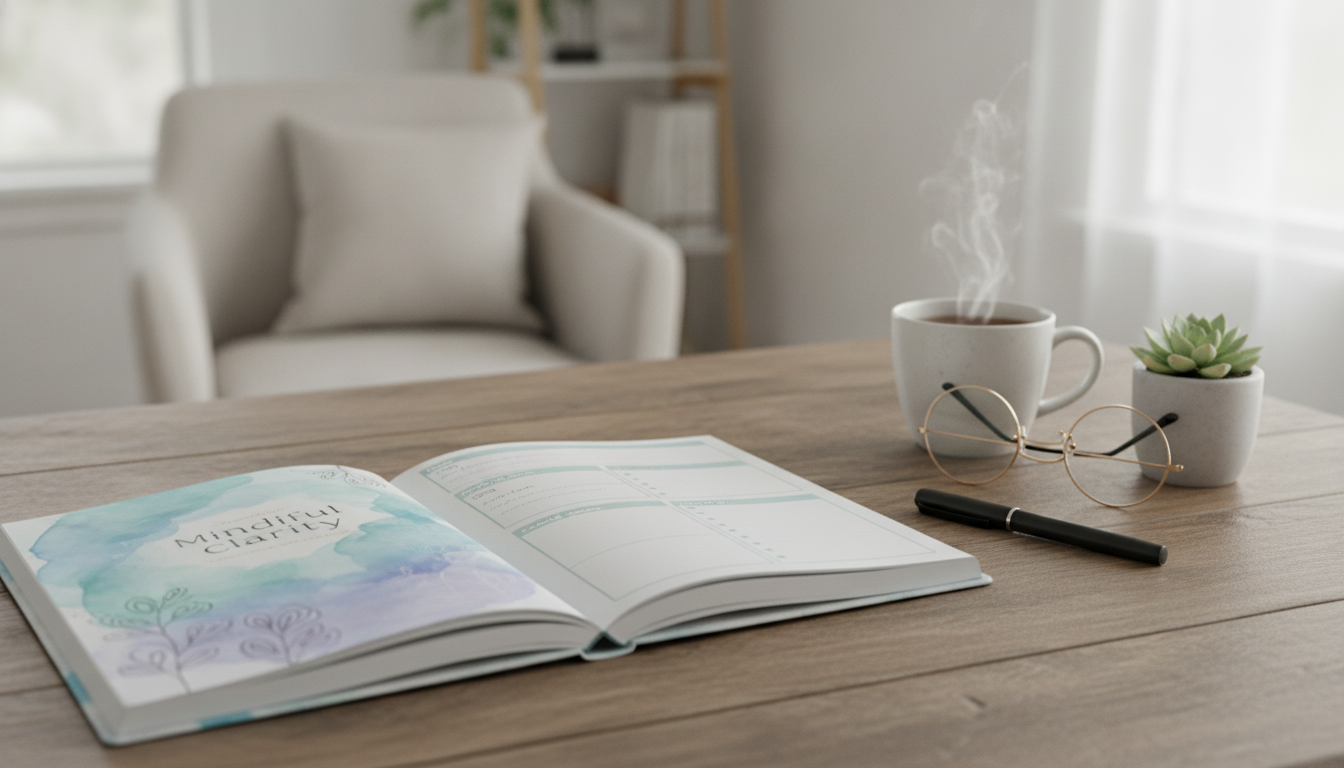
If you want a ready-to-use set that combines cue-building, retrieval practice, and tracking in one place, see Memory Boost Worksheets for Students & Adults (Printable Digital Download).
Helpful add-ons for a smoother routine
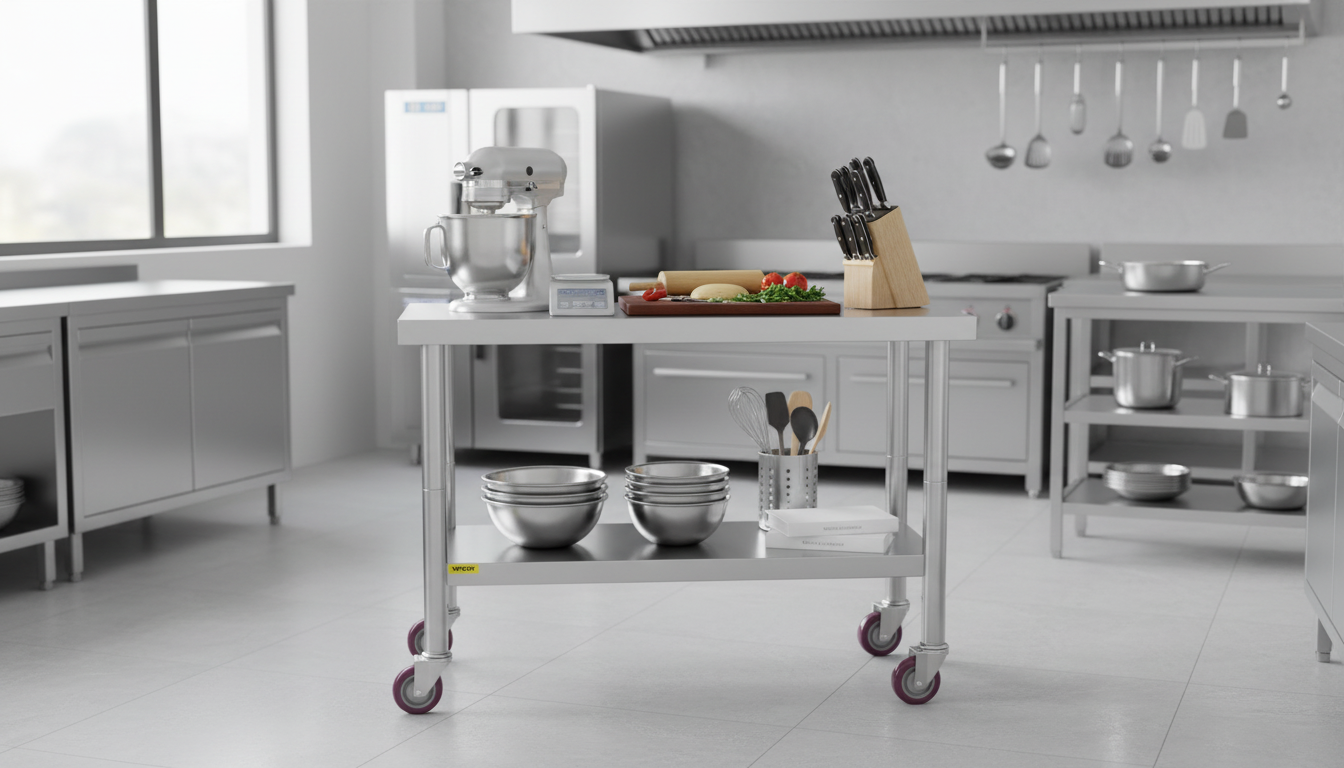
- Stainless Steel Kitchen Work Table with Wheels for a mobile “study station” that keeps printouts, notebooks, and timers in one place.
- Foldable Utility Shopping Cart with Wheels & Telescopic Handle to transport worksheets, binders, and supplies between rooms, classrooms, or tutoring locations.
FAQ
How often should memory worksheets be used to see results?
Plan on 15–25 minutes most days for about two weeks, with an emphasis on active recall and spaced review. If accuracy drops sharply or fatigue rises, shorten sessions and add an extra brief review later.
Are these exercises better for studying or for everyday memory (names, tasks, routines)?
They work for both because the same skills drive improvement: build cues, practice retrieval, and revisit at increasing intervals. For everyday use, prompts can target names, errands, appointment details, or step-by-step routines the same way exam prompts target definitions.
Should practice be handwritten or typed?
A practical hybrid is often best: handwriting for initial encoding and closed-book recall attempts, typing for schedules, item banks, and easy duplication. The most effective format is the one you can repeat consistently without resistance.










Leave a comment