26-Inch Push Lawn Sweeper: Faster Leaf & Grass Pickup
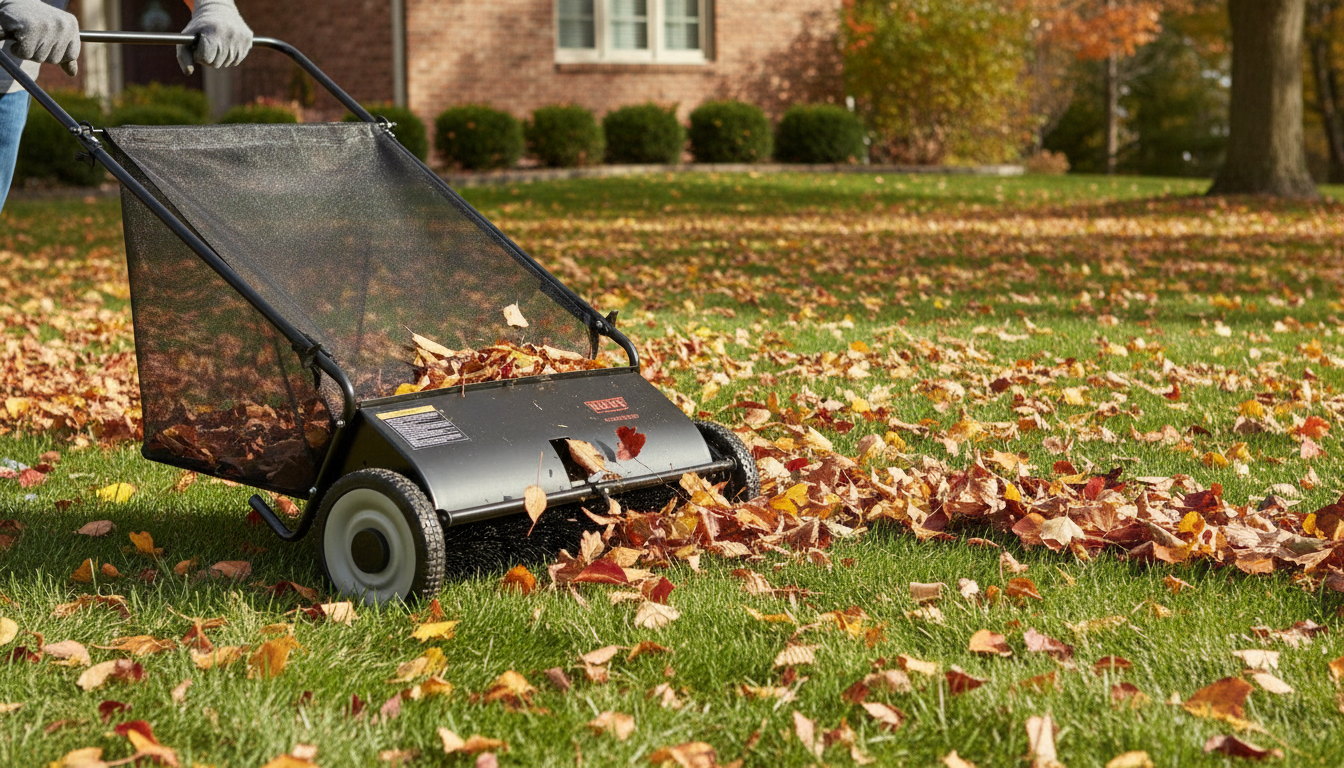
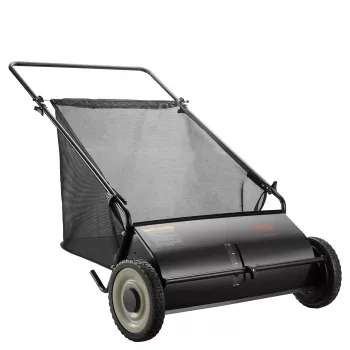
26-Inch Push Lawn Sweeper with Large Capacity Hopper Bag for Leaf & Grass Collection
A push lawn sweeper can speed up routine yard cleanup by lifting leaves, grass clippings, and light debris into a collection bag—without cords, fuel, or loud motors. A 26-inch sweeping path is a practical step up for homeowners who want fewer passes across the lawn and fewer interruptions to empty the bag. Below is a clear guide to what a 26-inch push sweeper does best, how to get cleaner pickup in real-world conditions, and how to keep performance consistent through the season.
What this push lawn sweeper is designed to handle
A manual lawn sweeper works like a rolling brush system that gathers loose debris and drops it into a hopper. It’s most effective on common residential messes that sit on top of the turf rather than sticking to it.
- Collects dry to slightly damp leaves, grass clippings after mowing, small twigs, and light thatch on typical residential lawns.
- Best performance on relatively even surfaces: established turf, driveways, and sidewalks used for staging piles.
- Useful for quick touch-ups between deeper seasonal cleanups—especially after mowing or windy days.
- Not intended for wet, matted leaves, heavy mud, pinecones in quantity, or gravel that can overload the mechanism.
If the debris feels heavy in your hand, sticks together, or smears when pressed, it usually needs more drying time before a push sweeper can work efficiently.
Key features that matter day to day
On paper, many sweepers seem similar. In practice, daily convenience comes down to coverage, capacity, and how often you have to stop.
- 26-inch sweeping path: covers more ground per pass, reducing total push time on medium-to-large yards.
- Large capacity hopper bag: reduces stops to empty, which is often the biggest time sink during leaf season.
- Push-powered operation: eliminates fuel mixing, battery charging, and extension cords.
- Bagged collection: makes it easier to transfer debris into yard-waste bins, compost areas, or a staging pile.
Performance expectations by yard conditions
A sweeper’s “sweet spot” is dry, loose debris on reasonably even ground. When conditions are less than perfect, technique matters more than force.
- Works fastest when debris is dry and loosely scattered; multiple light passes usually outperform one aggressive pass.
- On thicker leaf layers, use a slower walking pace and overlap each lane to prevent “skip lines.”
- On bumpy lawns, adjust technique: shorter strokes and a steadier pace help the brushes maintain contact.
- For edges and corners, pull debris outward first (with a rake or blower if available), then sweep the main area.
Quick fit guide: when a 26-inch push sweeper makes sense
| Situation | How it tends to perform | Helpful approach |
|---|---|---|
| After mowing (dry clippings) | High pickup with fast coverage | Sweep soon after mowing; use long straight passes |
| Light leaf fall (weekly cleanup) | Very efficient | Overlap lanes slightly; empty hopper before it overfills |
| Heavy leaf drop (peak season) | Moderate; may need multiple passes | Break into sections; do two passes at different angles |
| Damp leaves after rain/dew | Reduced pickup; may clog/drag | Wait for drying or sweep later in the day |
| Uneven lawn with dips | Variable contact | Slow down; keep consistent handle angle; avoid overloading the hopper |
How to use it for faster, cleaner pickup
A little planning helps you finish faster and leaves fewer stray strips behind.
- Start with a perimeter pass: create a clean border around beds, fences, and edges, then work inward in lanes.
- Don’t overfill the hopper bag: an overly full bag can reduce airflow and pickup efficiency and makes pushing noticeably harder.
- Keep a consistent pace: too fast can scatter debris, while too slow can leave clippings behind depending on turf density.
- Use a two-pass approach for mixed debris: a first pass gathers the bulk, and a second “polish pass” improves the final look.
For heavy leaf weeks, consider doing smaller, more frequent sessions. A push sweeper shines when you’re keeping up with the mess rather than letting it compress into a damp mat.
Hopper bag handling, emptying, and disposal options
The hopper bag is the difference between “collecting” and simply moving debris around. Treat it like a working filter: keep it clear, don’t pack it tight, and empty it before performance drops.
For composting basics and best practices, see the EPA’s composting at home guidance and home-compost tips from Cornell Cooperative Extension.
Care and upkeep to keep pickup strong
When a push sweeper is a better choice than alternatives
In-stock picks for a smoother cleanup workflow
- 26-inch Push Lawn Sweeper with Large Capacity Hopper Bag for Leaf & Grass Collection (in stock)
- Foldable Utility Shopping Cart with Wheels & Telescopic Handle (in stock) — handy for hauling yard-waste bags, a small bin, or tools without extra trips.
- Stainless Steel Kitchen Work Table with Wheels (in stock) — a mobile work surface for potting, sorting yard supplies, or staging cleanup gear in a garage or shed.
FAQ
Does a push lawn sweeper pick up wet leaves and soggy grass clippings?
Pickup drops significantly on wet, matted debris because it sticks together and doesn’t “lift” into the hopper as easily. For best results, wait until the surface dries, use lighter passes, and avoid overloading the bag when conditions are borderline.
How often should the hopper bag be emptied during use?
A practical rule is to empty it when it’s about two-thirds full or anytime you notice pickup declining. Overfilling can reduce airflow, make pushing harder, and leave more debris behind.
Will a 26-inch sweeper work on uneven lawns or over small bumps?
It can, but brush contact may vary in dips and on rough patches. Slow your pace, overlap passes, and work smaller sections so you can keep a steady handle angle and consistent pressure.








Leave a comment