2-Step RV Stairs with Handrail: Safer Entry at Camp
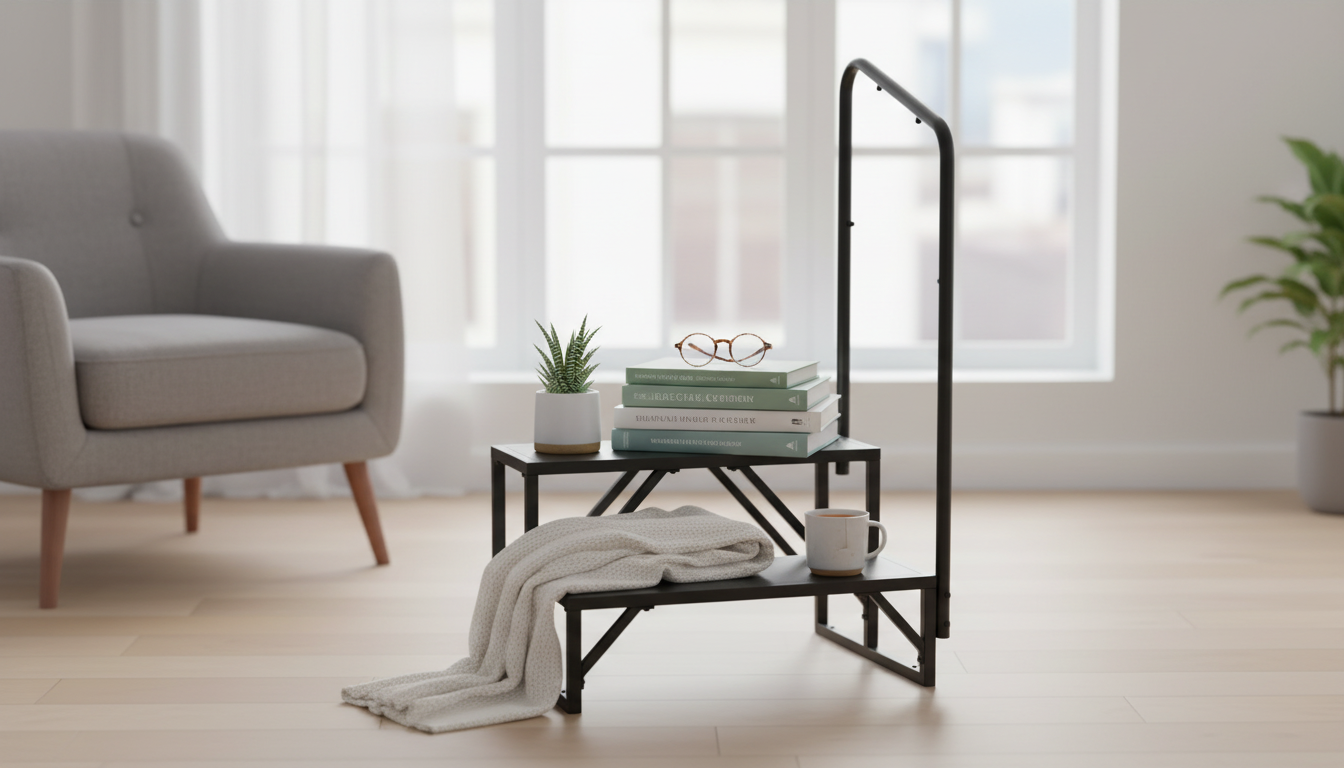
2-Step RV Stairs with Handrail for Safer, More Stable Entry
A solid set of entry steps can make everyday RV use feel steadier—especially when the ground is uneven, it’s raining, or kids and guests are stepping in and out. A 2-step design with a handrail adds an extra point of contact to reduce wobble and improve confidence at the door. For many RVers, it’s one of those small upgrades that pays off every single day at camp.
Why a handrail changes the feel of RV entry steps
The biggest difference a handrail brings is control. Instead of relying only on foot placement (which can be tricky when you’re stepping down onto soft dirt or slick grass), you get a consistent grip point that helps guide your body weight through each step.
- Adds a stable grip point for climbing and descending—especially when carrying bags, coolers, or managing pets on a leash.
- Helps reduce slips when shoes are wet or the tread picks up dust, sand, or pine needles.
- Improves comfort for seniors and kids, plus anyone recovering from an injury who wants that extra support at the door.
- Provides better balance on uneven terrain, where the bottom step may not land perfectly level without careful placement.
Falls are a common safety concern in everyday life, and stable steps plus a handhold are simple ways to lower risk. General stair and handrail safety principles are also reflected in guidance like OSHA’s stairway and handrail basics and broader fall prevention resources from the Occupational Safety and Health Administration and the CDC.
What to look for in 2-step RV stairs with a handrail
Not all two-step units feel the same at the door. Before buying, focus on fit and stability first—then think about convenience and storage.
- Step height and rise that matches your RV doorway height and typical ground clearance.
- Handrail height and placement that feels natural without forcing an awkward wrist angle.
- Non-slip step surface and defined edges that keep traction in mud, sand, or light ice.
- Sturdy frame construction that minimizes flex and side-to-side movement when you shift weight.
- Secure positioning so the steps don’t “walk” or drift after repeated use.
Quick fit check before buying
| Measurement / Detail | What to confirm | Why it matters |
|---|---|---|
| Door threshold to ground (typical campsite) | Measure on level ground and note the range you see on uneven sites | Determines whether a 2-step rise feels comfortable without a “big drop” |
| Available width at the entry | Ensure steps and handrail won’t interfere with the door swing or screen door | Prevents binding, rubbing, or awkward entry |
| Foot space on steps | Check tread depth/width expectations for boots | Improves stability and reduces missteps |
| Storage/transport needs | Confirm where the steps will be stored when traveling | Avoids last-minute packing hassles and damage |
Featured option: 2-Step RV Stairs with Handrail
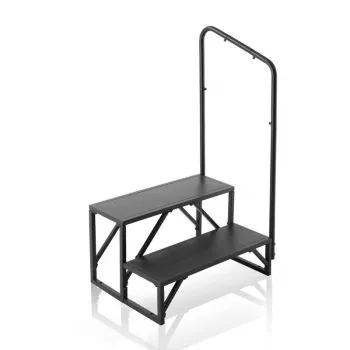
If the goal is a straightforward upgrade that feels noticeably steadier at the door, the 2-Step RV Stairs with Handrail is a practical pick. The two-step configuration reduces the “one big step” effect, while the integrated rail gives a consistent place to hold on during both entry and exit.
- Two-step configuration designed to make entry and exit easier than a single tall step
- Integrated handrail supports balance and steadier movement on the steps
- A solid match for RVers who want a stable feel without complex moving parts
- Available now and ready to ship from the product page
At-a-glance purchase details
| Item | Details |
|---|---|
| Product | 2-Step RV Stairs with Handrail |
| Price | 71.17 USD |
| Availability | In stock |
Other in-stock gear that pairs well at the RV door
A safer entry setup is even better when the area around the steps is organized and easy to use. These in-stock add-ons can make arrivals, departures, and daily routines smoother:
- Foldable Utility Shopping Cart with Wheels & Telescopic Handle for hauling groceries, water, and gear so you’re not juggling loads on the steps.
- Stainless Steel Kitchen Work Table with Wheels as a mobile outdoor prep station that reduces back-and-forth trips through the RV doorway.
Installation and setup basics
For RV owners who follow standards and best practices when modifying or adding equipment, it’s also worth being aware of the general framework around RV safety standards such as NFPA 1192.
Safety tips for everyday use at campgrounds
Care and maintenance to keep steps stable
When a 2-step with handrail is the right choice (and when it isn’t)
Common alternatives and trade-offs
| Option | Upside | Downside |
|---|---|---|
| 2-step with handrail | More secure feel and easier transitions | May take more storage space than a single step |
| Single step stool | Compact and quick to place | Can feel steep at taller entrances; often lacks a rail |
| Multi-step/scissor steps | Adjustable and often integrates with RV | More moving parts; can require more upkeep and cost |
FAQ
Will a 2-step set work if the campsite ground is uneven?
Yes, as long as the rise still feels comfortable and the unit sits flat. Measure your entry height range across typical sites, place the steps on the flattest spot available, and check for rocking; if needed, use a stable pad or board under the feet for a firmer base.
Does the handrail support full body weight?
A handrail is primarily for balance and stability rather than lifting your full weight. Follow the manufacturer’s limits, keep hardware tight, and avoid using the rail as a leverage point for heavy lifting unless it’s specifically rated for that use.
How can slipping be reduced in rain or early-morning dew?
Keep the step surface clean and free of grit that can turn slick when wet, and use the handrail every time you step up or down. If conditions are consistently damp, consider adding a compatible traction tape or mat and improve lighting so step edges are easy to see.






Leave a comment