Air Compression for Legs: Circulation, Swelling, Soreness

What does air compression do to your legs?
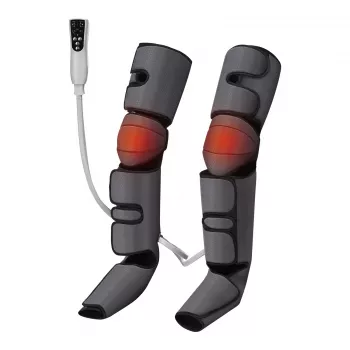
Air compression applies gentle, rhythmic pressure around your legs using inflatable chambers (often in cuffs or boots). As the chambers fill and release, they “milk” the tissues from the feet upward, helping move fluid through the veins and lymphatic pathways. The result is often a lighter, less “puffy” feeling—especially after long periods of sitting, standing, travel, or workouts.
How air compression affects circulation, swelling, and soreness
Supports blood flow back toward the heart
When pressure is applied in a sequence (for example, foot-to-calf-to-thigh), it can assist venous return—the movement of blood back up the legs. This can be helpful when legs feel heavy or tired from being still for too long.
Helps manage fluid buildup in the lower legs
Mild swelling often comes from fluid pooling around the ankles and calves. Intermittent compression can encourage that fluid to move, which may reduce tightness in shoes or socks and ease that end-of-day “stiff” sensation.
Relaxes muscles and reduces that “post-activity” ache
The alternating squeeze-and-release can feel like a hands-free massage. Many people use it after exercise or a long shift to calm muscle tension, ease soreness, and promote recovery comfort.
What it should feel like (and what it shouldn’t)
Air compression should feel snug and pleasantly firm—never sharp, numb, or painful. If toes tingle, skin changes color, or pressure feels intense even on a low setting, stop and adjust the fit or intensity. People with certain medical conditions (such as blood clots, severe arterial disease, or uncontrolled heart failure) should ask a clinician before using compression devices.
For a deeper walk-through on how air compression leg massagers work, including settings and fit tips for feet, calves, knees, and thighs, visit this complete air compression leg massager guide.
FAQ
How long should you use an air compression leg massager?
Many people start with 10–20 minutes and adjust based on comfort. If you’re new to compression, begin on a low intensity and increase gradually rather than extending time too fast.










Leave a comment