Choosing a Breakfast-in-Bed Tray: Size, Legs, Stability

How to choose the right breakfast in bed tray?
The right breakfast in bed tray should feel stable, fit your space, and match how you’ll actually use it—whether that’s coffee and toast, a full meal, or even a laptop setup. Start by deciding where it will be used most: bed, couch, or both. That single choice affects the best size, leg height, and features.
Pick the right size for your routine
A tray that’s too small feels cramped, while an oversized one can wobble and be hard to store. Measure the space across your lap or over your duvet and compare it to the tray’s surface dimensions. If you plan to use plates plus a mug (or a laptop plus a mouse), prioritize a wider top with enough depth to keep items away from the edge.
Choose a leg style that matches your setup
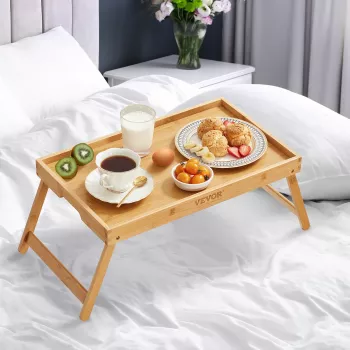
Folding legs are ideal for easy storage and quick setup. Look for legs that lock firmly and sit flat without rocking. If you’ll use it over thicker bedding, a slightly taller design can help keep the tray level and prevent the edges from sinking into the comforter.
Focus on stability and spill control
Small details matter: raised edges help keep cups and utensils from sliding, and a smooth, sealed surface makes wipe-downs easier. If you’re accident-prone or plan to use it around kids, a tray with a surrounding lip and a sturdy base can save your sheets.
Material and maintenance
Bamboo is popular because it’s lightweight, durable, and looks clean on a nightstand or in a living room. Check for a finished surface that resists moisture and won’t snag cloth napkins or scratch easily.
For a deeper breakdown of tray styles, features, and practical use cases, visit the full guide here: https://reliableproductsmart.shop/guide-bamboo-folding-breakfast-tray-sofa-bed-laptop-use/.
FAQ
What features should I look for in a breakfast in bed tray?
Prioritize a stable base, folding legs that lock securely, and a raised edge to reduce spills. A smooth, sealed surface makes cleanup fast and helps prevent staining from coffee or juice.










Leave a comment