4-Week At-Home Workout Plan: Minimal Equipment Daily
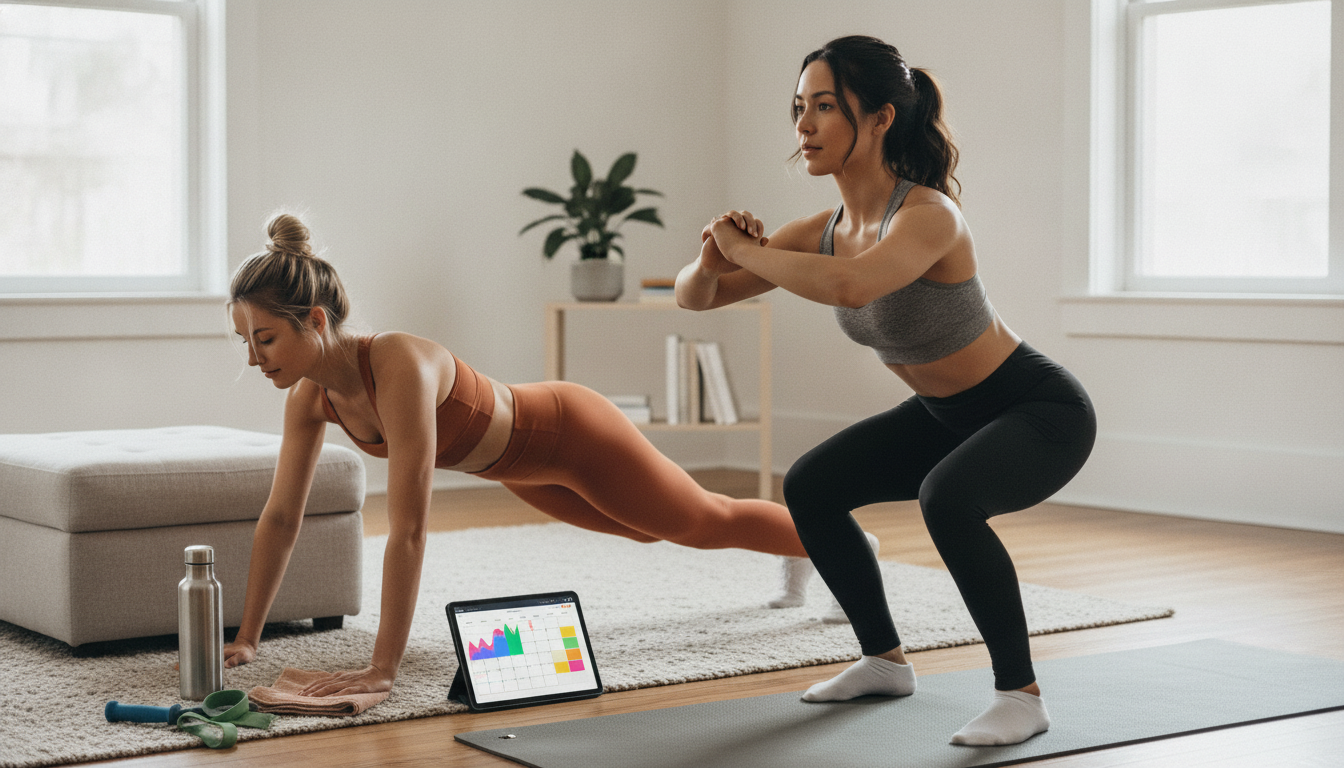
Fit at Home: A 4-Week Minimal-Equipment Workout Plan With Daily Workouts and Stretches
A structured four-week routine can make home training feel simple: show up, follow a daily plan, and progress without needing a full gym. This guide breaks down how a minimal-equipment schedule typically works, what to expect each week, and how to stay consistent with short daily sessions plus mobility work. If you’re aiming for general health, these habits also line up well with widely accepted targets for weekly activity (including strength and aerobic work) outlined in the Physical Activity Guidelines for Americans (2nd edition).
What a 4-week home plan looks like
Most effective home plans aren’t complicated—they’re repeatable. The goal is to remove decision fatigue by using the same weekly rhythm (strength, conditioning, mobility) and making small upgrades week to week.
- Built around repeatable weekly patterns (strength days, conditioning days, mobility/recovery days) so the routine becomes automatic.
- Minimal equipment focus: bodyweight movements first, then optional add-ons like resistance bands, a light dumbbell, or a sturdy chair.
- Daily components usually include: warm-up, main workout, cool-down stretch, and a short note on form or pacing.
- Progression across four weeks often comes from more reps, slower tempo, shorter rest, added sets, or slightly harder variations.
Example weekly rhythm (adjustable to schedule and fitness level)
| Day | Focus | Typical duration | Notes |
|---|---|---|---|
| Day 1 | Full-body strength | 25–40 min | Prioritize form; leave 1–2 reps in reserve on early sets |
| Day 2 | Low-impact cardio + core | 20–35 min | Use intervals; keep breathing controlled |
| Day 3 | Lower-body + mobility | 25–40 min | Add unilateral work (split squat, step-up) |
| Day 4 | Recovery / stretch | 10–25 min | Gentle mobility; aim for consistency over intensity |
| Day 5 | Upper-body + core | 25–40 min | Push/pull balance; modify push-ups as needed |
| Day 6 | Conditioning finisher + stretch | 20–35 min | Short bursts; stop if form breaks down |
| Day 7 | Rest or easy walk | 10–45 min | Optional light movement to support recovery |
Minimal equipment checklist (and smart substitutes)
Home workouts work best when the setup is friction-free. A few basics cover nearly everything, and most items have easy substitutes.
- Exercise mat or towel for floor work; a carpeted area works in a pinch.
- Sturdy chair or couch edge for step-ups and incline push-ups (only if stable and pain-free).
- Resistance band(s) for rows, pull-aparts, and assisted stretches; if unavailable, use a towel for isometrics.
- A pair of light-to-moderate dumbbells is optional; substitute with a backpack loaded with books or water bottles.
- Timer app for intervals; a watch or kitchen timer works too.
If keeping gear organized is the main obstacle, a simple storage solution can help: a Foldable Utility Shopping Cart with Wheels & Telescopic Handle can hold bands, a towel, a water bottle, and a notebook—and roll out of the way when you’re done.
How to set your starting level
The best starting point is the version of each movement you can repeat with clean form. That’s how you build confidence and consistency—then earn harder variations later.
- Choose a baseline variation you can perform with clean form for all sets (example: incline push-ups instead of floor push-ups).
- Use a simple effort scale: most sets should feel like a 6–8 out of 10; avoid going to failure daily.
- Start conservative in Week 1 to reduce soreness and improve adherence; add challenge in Weeks 2–4.
- If any movement causes sharp pain (not normal muscle fatigue), swap it for a comparable pattern (hinge, squat, push, pull, carry, core).
For progression ideas grounded in strength-training research, the ACSM Position Stand on progression models is a solid reference for how variables like volume, intensity, and rest can be adjusted over time.
Warm-up and cool-down staples for daily use
If you want additional ideas for simple strength and flexibility sessions, the NHS Fitness Studio strength and flexibility plan includes approachable options you can borrow for recovery days.
Progression across 4 weeks (without overthinking it)
Common mistakes that stall results at home
When a printable daily plan helps most
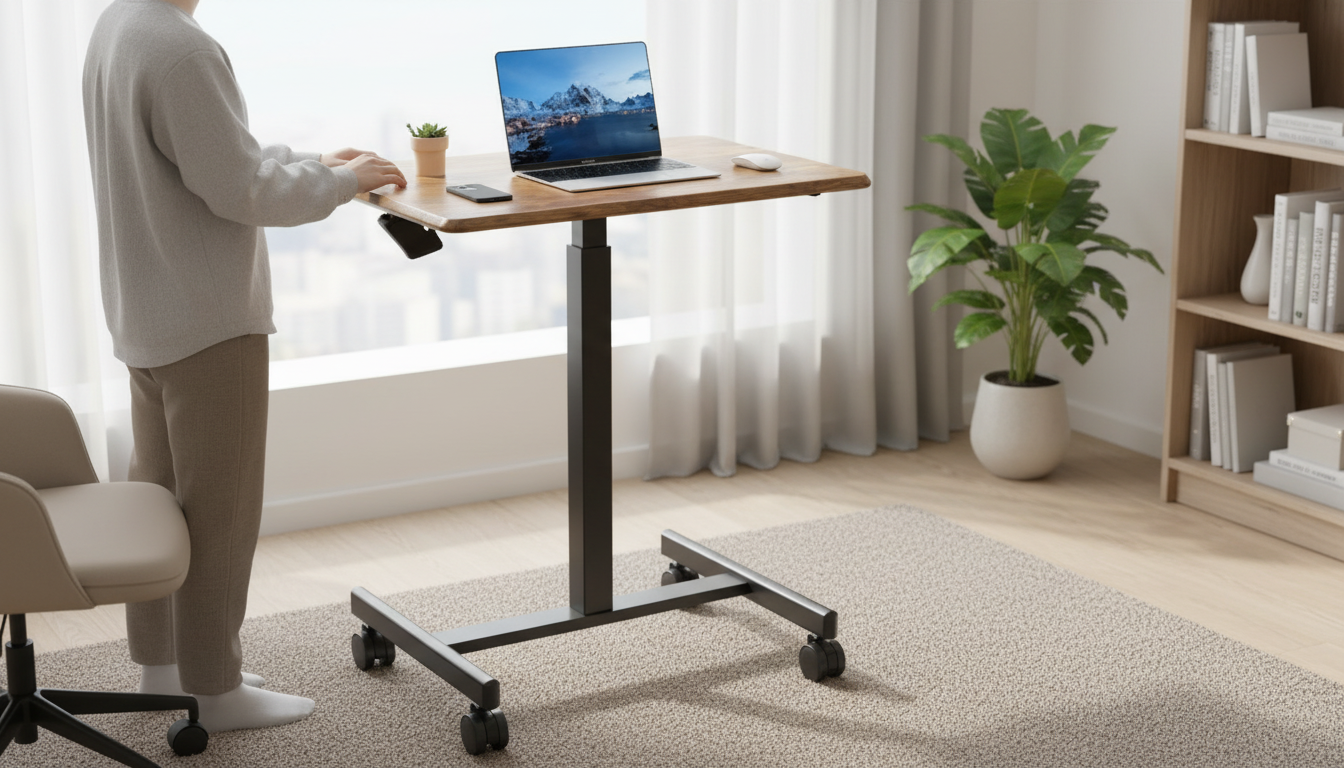
If your workouts often stall because you’re improvising every day, setting up a dedicated spot can help. Even having a stable surface nearby for water, a timer, and notes can keep you moving between sets; a Stainless Steel Kitchen Work Table with Wheels can work as a convenient home “station” (use it for storage and setup—not for weight-bearing exercises unless it’s fully secured and designed for that use).
4-week plan option: daily workouts and stretches in a simple PDF format
If you’d rather follow a clear checklist than build the plan yourself, Fit at Home: 4-Week Workout Plan | Minimal Equipment Exercise Guide PDF is designed for home training with daily sessions and stretching work.
FAQ
How long should each daily workout take on a 4-week home plan?
Most sessions land around 20–40 minutes including a brief warm-up and a short cool-down stretch. To scale, reduce sets or shorten intervals, but keep at least a couple minutes for mobility so you don’t finish feeling stiff.
Can results happen with minimal equipment and bodyweight exercises only?
Yes—results come from progressive overload, which you can create by adding reps or sets, slowing tempo, shortening rest, or using harder variations. Bands or dumbbells can add resistance later, but they aren’t required to start building strength and conditioning.
What if a movement hurts or feels too difficult?
Switch to an easier regression (like incline push-ups, box squats, or a shorter range of motion), double-check form, and reduce total volume for the day. If sharp pain persists or worsens, pause that movement and consult a qualified professional.











Leave a comment