2764Wh LiFePO4 Expansion Battery: Runtime & Backup Guide
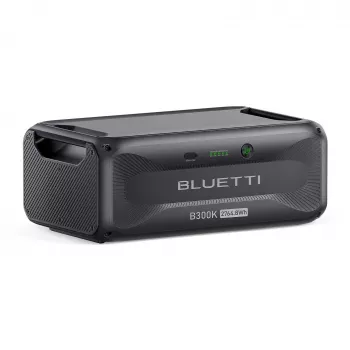
Portable 2764Wh LiFePO4 Expansion Battery for Power Stations: Off-Grid and Home Backup Power
A high-capacity expansion battery can turn a capable power station into a longer-lasting backup system for outages, off-grid cabins, and jobsite power. A 2764Wh LiFePO4 expansion battery is designed to add energy storage (runtime) without changing the power station’s AC outlet layout or inverter limits. Below is a practical guide to what this size adds, how to estimate runtime, what to confirm for compatibility, and how to use it safely for reliable everyday or emergency energy.
What an expansion battery adds to a power station setup
An expansion battery increases total watt-hours (stored energy), which translates to longer device runtime at the same load. It does not “upgrade” the power station’s inverter or increase the maximum AC watts available at once; it simply helps the power station keep supplying power longer.
- Best fit: when the power station’s output is already sufficient, but the runtime is too short for overnight or multi-day needs.
- Modular growth: many ecosystems support adding one battery now and potentially more later, depending on the model’s expansion limits.
- Cleaner backup strategy: with more storage, you can reduce generator run time (or avoid it entirely in shorter outages).
Understanding 2764Wh capacity and usable energy
Watt-hours (Wh) measure how much energy a battery can store. A 2764Wh battery holds a lot of energy, but real-world usable energy is typically lower due to inverter conversion losses (especially for AC loads), cable losses, and battery management overhead. For planning, many users assume 80–90% usable energy; using ~85% is a practical middle ground for mixed loads.
Runtime planning examples
| Device / Load | Typical Power (W) | Estimated Runtime (using ~85% usable energy from 2764Wh ≈ 2349Wh) |
|---|---|---|
| Wi‑Fi router + modem | 20 | ~117 hours |
| CPAP (no heated humidifier) | 40 | ~58 hours |
| 12V refrigerator (average) | 60 | ~39 hours |
| LED lights (several rooms) | 100 | ~23 hours |
| Laptop + monitor | 120 | ~19 hours |
| Space heater (low setting) | 750 | ~3.1 hours |
Tip: For loads with motors or compressors (refrigerators, freezers, some pumps), estimate runtime using the average watts over time, not the brief startup surge. The inverter must still be capable of handling that surge momentarily.
LiFePO4 chemistry: why it’s popular for backup
LiFePO4 (lithium iron phosphate) is widely used in modern backup and portable power because it’s designed for durability and stable operation when paired with a quality battery management system (BMS).
- Long cycle life: better suited to frequent charging and discharging than many other lithium chemistries.
- Thermal stability: LiFePO4 is known for strong thermal behavior, which supports safer everyday use when the system is properly engineered.
- Predictable performance: a good match for home backup and off-grid routines where reliability matters.
For additional battery background, see Battery University’s overview of lithium-based batteries.
Compatibility checklist for power stations and expansion ports
Expansion batteries are not universally interchangeable. Before buying, confirm the details that determine whether the power station can communicate with and safely charge/discharge the battery.
- Supported models: verify the brand/model explicitly supports external expansion and that the connector type matches.
- Communication protocol: some systems require data handshakes for charging, state-of-charge reporting, and safety limits.
- Voltage range and limits: confirm the supported expansion voltage and the maximum number of modules or total added Wh.
- Charging path: determine whether the battery charges through the power station or requires a dedicated charging input.
- Cable/fit details: check cable length, locking mechanism, and how the battery will be positioned to avoid strain on ports.
Charging strategies for off-grid and outage readiness
- Grid charging: the simplest way to top up quickly before storms or planned outages. For general home preparedness guidance, visit the U.S. Department of Energy’s Energy Saver resources.
- Solar charging: use a compatible controller/power station input and stay within panel voltage/current limits. Midday charging is typically the most productive window, and a larger battery gives more room to capture sun when it’s available.
- Generator-assisted charging: helpful for multi-day outages or poor solar conditions—charge in bulk, then shut the generator off to reduce fuel use and noise.
- Routine readiness: if the system sits unused, store at a moderate state of charge and top off periodically according to the manufacturer’s guidance.
If a generator is part of the plan, carbon monoxide safety matters. Review NFPA carbon monoxide safety guidance and keep fuel-burning equipment outside and far from doors/windows.
Home backup use cases that benefit from an extra 2764Wh
Off-grid and mobile scenarios: cabins, RV staging, and remote work
Safety, placement, and long-term care
Is a 2764Wh expansion battery the right size?
Recommended in-stock items
- Portable 2764Wh Expansion Battery for Power Stations, LiFePO4 Backup for Off-Grid and Home Use
- Foldable Utility Shopping Cart with Wheels & Telescopic Handle (helpful for moving heavier gear around a home or garage)
- Stainless Steel Kitchen Work Table with Wheels (a stable rolling surface for organizing cords, chargers, and power accessories)
FAQ
Will an expansion battery increase the AC output power of a power station?
No. An expansion battery increases total energy capacity (runtime), but the power station’s inverter still sets the maximum AC watts and surge capability.
How long will 2764Wh run a refrigerator during an outage?
It depends on the refrigerator’s average wattage as the compressor cycles on and off. Using ~85% usable energy (about 2349Wh), a fridge averaging 60W could run roughly 2349Wh ÷ 60W ≈ 39 hours; higher averages reduce runtime.
Can a LiFePO4 expansion battery be left plugged in all the time?
Many systems support staying connected, but long-term battery health is often better when it isn’t held at 100% continuously. Follow the manufacturer’s guidance for standby use, and consider periodic top-offs or a moderated storage charge if the system sits unused for long periods.









Leave a comment