200W Solar Panel vs Refrigerator: What You Really Need

Can a 200W solar panel run a refrigerator?
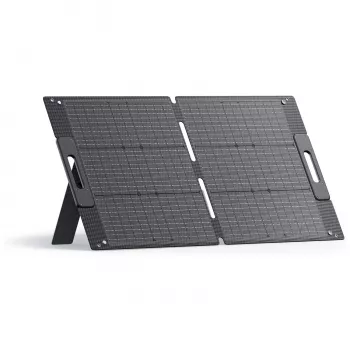
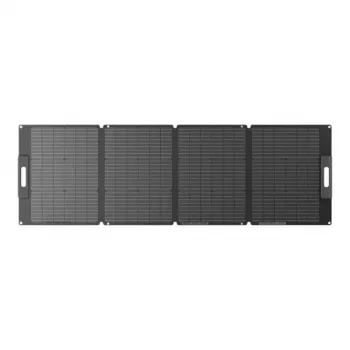
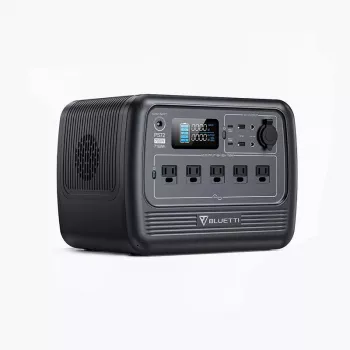
A 200W solar panel can sometimes run a refrigerator, but usually not by itself and not continuously. The key issue is that most fridges need steady power for hours, plus a short burst of higher “startup” watts when the compressor kicks on. A single 200W panel may cover part of the daily energy, but you’ll typically need a battery (portable power station) and enough solar input to refill that battery each day.
What makes it difficult?
Refrigerators don’t draw the same amount of power all the time. A typical modern fridge might average roughly 50–150 watts while running, but it cycles on and off, and the compressor can demand a much higher surge. Even if the running watts seem close to 200W, real-world solar output is often lower than the panel rating due to heat, angle, clouds, and time of day.
When can it work?
It can work in limited cases: a very efficient mini fridge, a high-efficiency DC fridge, or a full-size fridge that only needs support during peak sun while a sufficiently large battery handles the rest. If you pair the 200W panel with a power station that has a strong inverter surge rating and enough battery capacity for overnight operation, the system becomes far more practical.
A practical way to size it
Think in daily energy. If your refrigerator uses around 1–2 kWh per day, a single 200W panel might harvest roughly 0.6–1.2 kWh/day in decent conditions (location and season matter). That means you’re often short unless you add more panel wattage, reduce fridge use, or choose a more efficient unit. For a grounded look at real charging expectations with portable solar and power stations, see this guide: https://reliableproductsmart.shop/guide-100w-foldable-solar-panel-portable-power-stations-real-world-charging/.
FAQ
How many solar panels do I need to run a refrigerator?
Many households need 400–800W of solar (or more) plus a battery to run a typical fridge reliably, especially overnight. The exact number depends on the fridge’s daily kWh use and your local sun hours.









Leave a comment