Leg Compression Therapy Side Effects: What to Expect
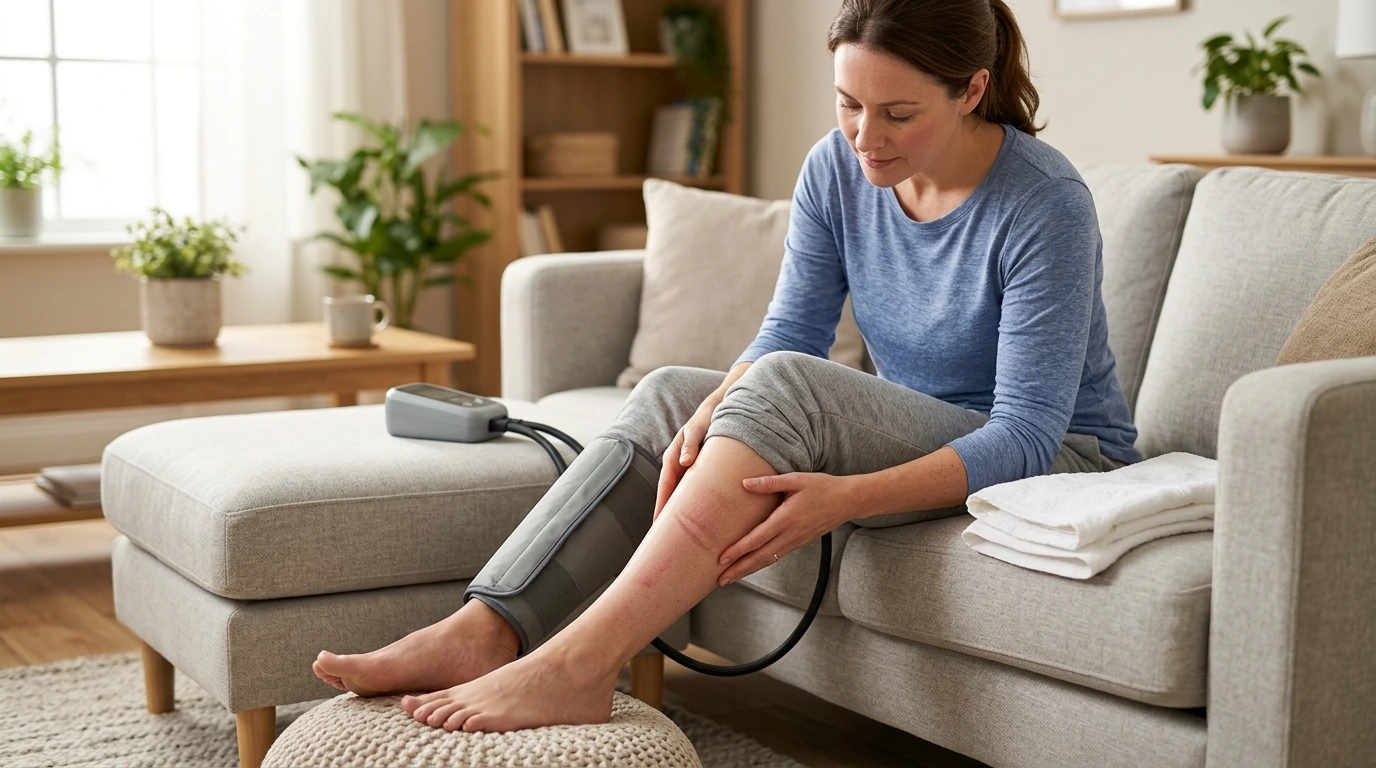
What are the side effects of leg compression therapy?
Leg compression therapy (including compression stockings and air compression leg massagers) is usually well tolerated, but it can cause side effects—especially if the fit, pressure, or session length isn’t right. Most issues are mild and improve quickly once the compression is adjusted or paused.
Common, usually mild side effects
The most frequent complaints include temporary tightness, warmth, tingling, mild soreness, or redness where cuffs or stockings press on the skin. Some people notice indentation marks that fade after a short time. With pneumatic (air) compression, a “squeezing” sensation can feel intense at first, particularly around the calf or behind the knee.
Skin irritation and pressure-related problems
If compression gear rubs or traps moisture, it can lead to itching, chafing, or a rash. Too much pressure—or cuffs that bunch up—may cause localized pain, bruising, or numbness. These effects are more likely if the size is wrong, straps are overtightened, or sessions run longer than recommended.
Swelling changes and discomfort
Compression can shift fluid. When equipment is poorly positioned, swelling may seem to move to the foot or upper leg, or you may feel discomfort around the ankle or knee. If swelling suddenly worsens or becomes one-sided and painful, stop and get medical guidance.
When to stop and seek medical advice
Stop using compression and contact a clinician promptly if you develop severe pain, persistent numbness, blue/pale skin, open sores, shortness of breath, chest pain, or rapidly increasing swelling. People with certain conditions (such as severe peripheral artery disease, active infection, or suspected blood clots) may need medical clearance before using compression.
How to reduce side effects
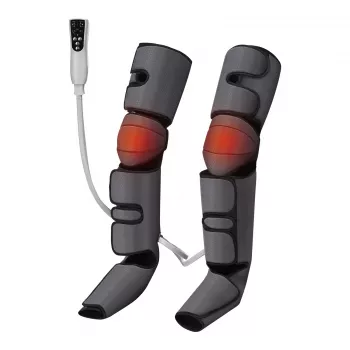
Use the correct size, start with lower pressure settings, keep skin clean and dry, and avoid placing cuffs directly over sensitive areas or bony spots. If you’re using an air compression device, follow the manufacturer’s timing guidance and take breaks. For practical tips on safe setup and use, see the full guide here: air compression leg massager guide.
FAQ
Who should not use a leg compression massager?
People with suspected or confirmed blood clots, severe peripheral artery disease, uncontrolled heart failure, or active skin infections should avoid it unless a clinician specifically approves. If you’re pregnant or have significant circulatory or nerve problems, get medical advice first.










Leave a comment