Leg Compression Massagers for Knee Pain: Do They Help?
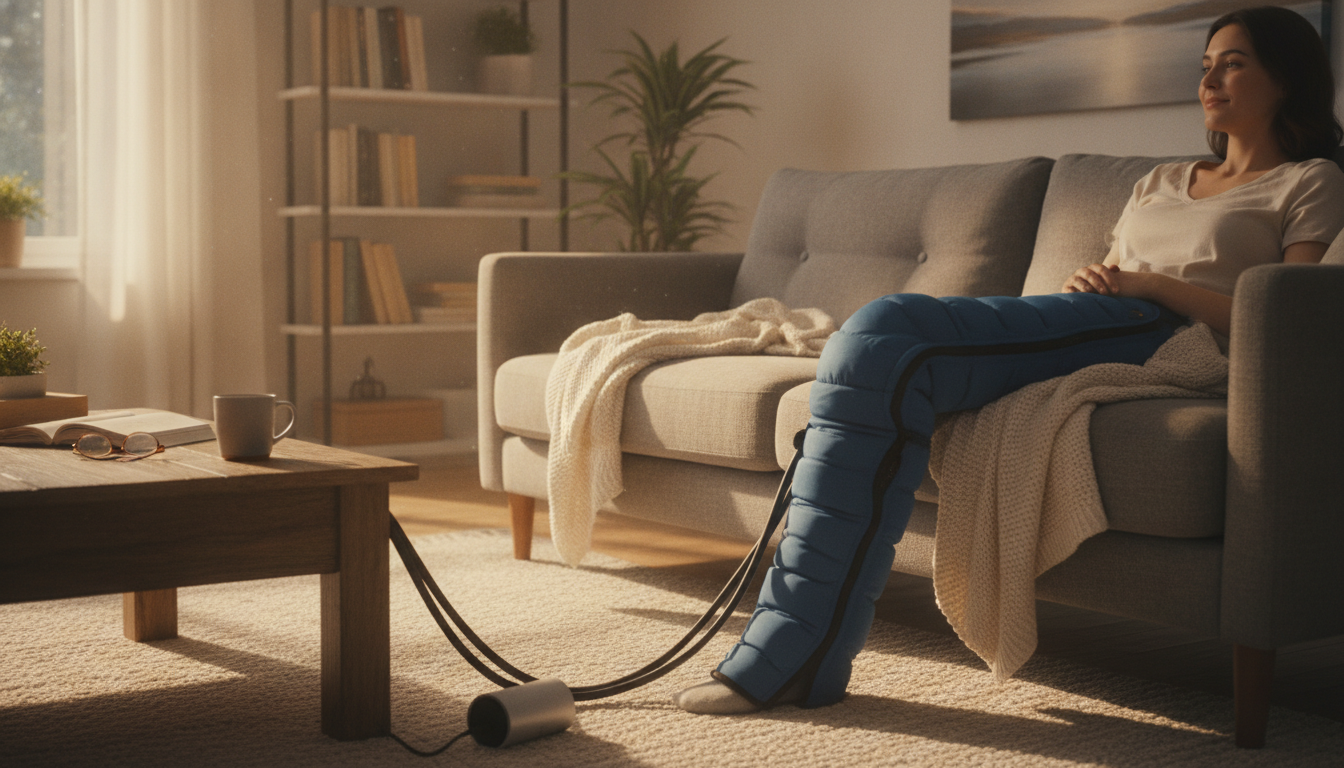
Do leg compression massagers help with knee pain?
They can help some types of knee pain, especially when the discomfort is tied to swelling, fluid retention, muscle tightness in the calves/thighs, or poor circulation after long periods of sitting or standing. By applying rhythmic pressure, leg compression massagers may encourage blood flow and lymphatic drainage, which can temporarily reduce the “puffy” feeling around the lower leg and ease stiffness that makes the knee feel worse.
That said, a compression massager isn’t a cure for structural knee problems. Pain from ligament injuries, meniscus tears, severe arthritis, or acute inflammation may not improve—and could feel aggravated if the pressure is too high. The most noticeable relief tends to happen when the knee pain is partly driven by surrounding muscle fatigue or lower-leg swelling rather than damage inside the knee joint itself.
When a leg compression massager is most likely to help
People often report the best results when their knee pain is accompanied by heavy legs, mild edema, post-workout soreness, or aching from daily activity. If a device includes coverage for the knee area (or extends to the thigh and calf), it may also reduce tightness in the muscles that influence knee tracking and comfort.
How to use one safely for knee discomfort
Start with the lowest pressure and a shorter session (10–15 minutes), then adjust based on how your knee feels during and after use. Avoid strapping the wraps directly over a very tender joint line if that increases pain; many users do better focusing on calf and thigh compression to support the knee indirectly. If swelling is sudden, one-sided, hot, or accompanied by sharp pain, skip the massager and seek medical evaluation.
Choosing the right style
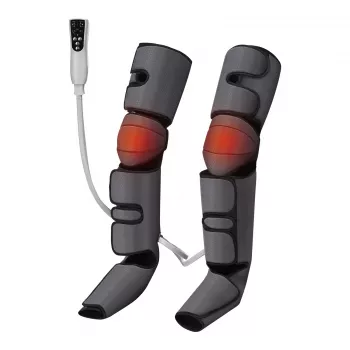
Look for adjustable intensity, multiple modes, and sizing that fits without pinching behind the knee. For a deeper breakdown of features, fit tips, and use cases, see this air compression leg massager guide.
FAQ
Can compression boots help with swelling in the legs?
Yes. Intermittent compression can promote circulation and fluid movement, which may temporarily reduce mild swelling and the sensation of heaviness, especially after long days or workouts.










Leave a comment