Best Portable Power Station for Home Outages (Sizing Guide)
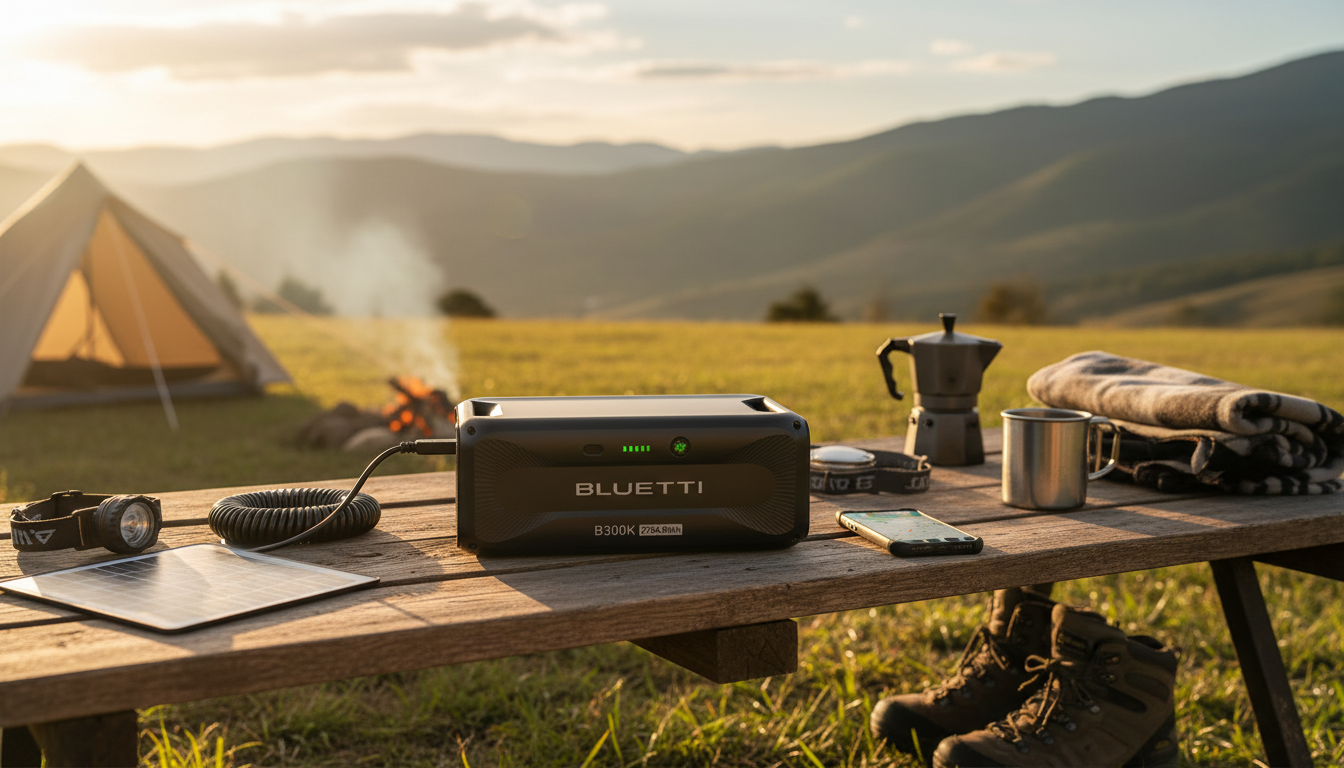
Which portable power station is best for home backup during outages?
The best portable power station for home backup is the one that can handle your critical loads (especially surge-heavy appliances), run long enough to cover typical outage windows, and recharge reliably from wall power, solar, or a vehicle. Instead of chasing the biggest battery, focus on matching the station’s output and capacity to what you actually need to keep running.
Start with output power (watts) and surge capability
For outage backup, the inverter rating matters as much as battery size. A station that can deliver 1,500–2,000 watts continuous (with a higher surge rating) is often a sweet spot for running essentials like a refrigerator, modem/router, lights, fans, and device charging. If you want to power higher-demand items like a microwave, sump pump, space heater, or window AC, you’ll generally need 2,000+ watts and a strong surge rating to handle startup spikes.
Choose enough battery capacity (watt-hours) for your outage plan
Battery capacity is measured in watt-hours (Wh). For short outages, 500–1,000Wh may cover internet, phones, lights, and a small fan. For keeping a fridge and essentials going overnight, 1,000–2,000Wh is a more realistic range. For multi-day outages, look for 2,000Wh+ and consider expandable battery systems, plus solar input to recharge during daylight.
Look for the right ports and “home-friendly” features
Prioritize multiple AC outlets, regulated 12V output for certain devices, USB-C PD for laptops, and enough total ports to avoid power strips. Fast AC recharging helps you top up between outage periods, while higher solar input (and broad voltage acceptance) makes solar pairing easier. If you’re backing up sensitive electronics, a pure sine wave inverter is the safe standard.
Decide whether UPS-style switchover matters
If you want near-instant backup for a modem/router or workstation, select a model with UPS or EPS functionality so it can switch to battery quickly when the grid drops.
For specific model recommendations and sizing guidance, see the full breakdown here: https://reliableproductsmart.shop/which-portable-power-station-is-best-for-home-backup-during-outages/.
FAQ
How long will a portable power station run a refrigerator?
It depends on the fridge’s average watt draw and how often the compressor cycles. Many households see roughly 8–24 hours from a 1,000–2,000Wh unit, but frequent door openings, a warm kitchen, or an older fridge can shorten runtime.







Leave a comment