63-Inch 13-Tier Plant Stand with Grow Light (Boho)
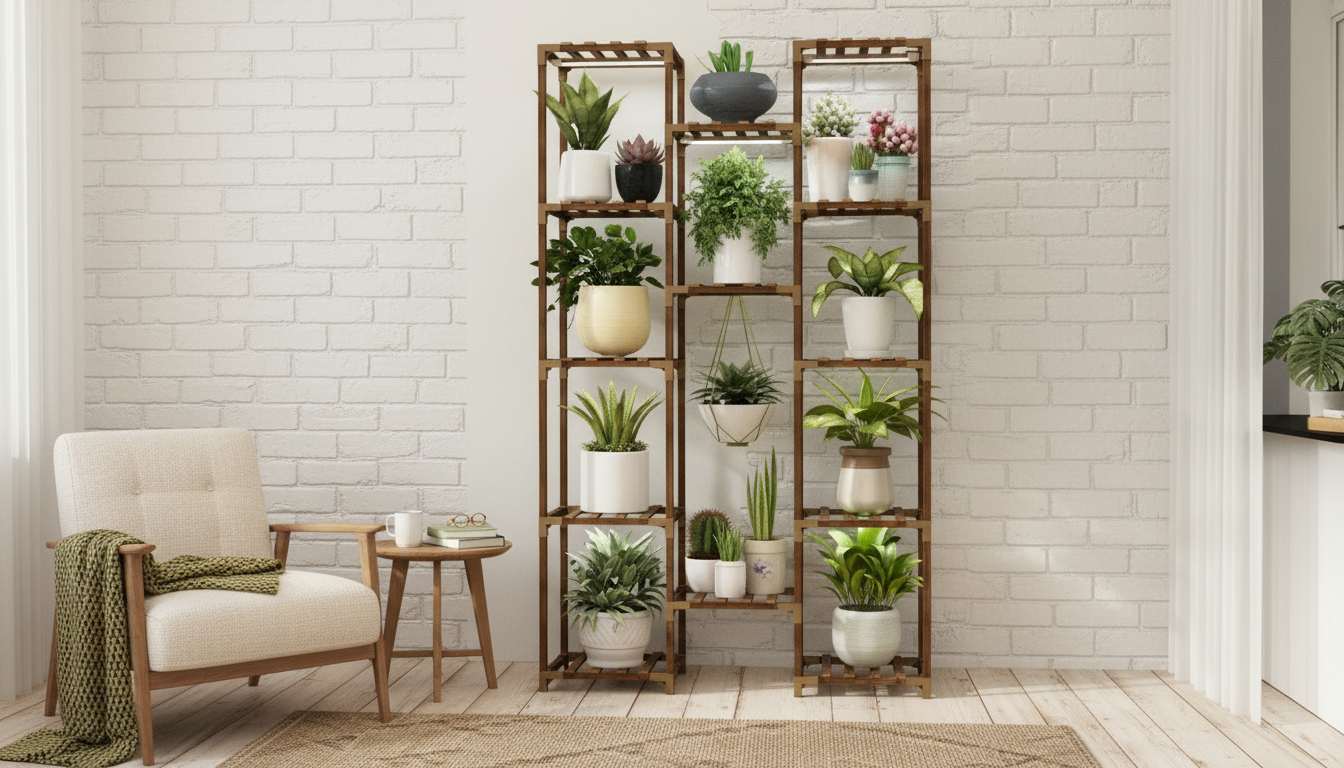
63″ Plant Stand with Grow Light: 13-Tier Boho Plant Rack for Indoor & Outdoor Spaces
A tall, multi-tier plant rack can turn scattered pots into a single, organized display—especially when added lighting helps plants stay consistent through darker corners or shorter days. This 63-inch, 13-tier plant stand pairs a vertical layout with a built-in grow light, aiming to balance practical plant care with a relaxed boho look for living rooms, patios, balconies, and entryways.
What Makes This Plant Stand Different
- Tall vertical profile designed to fit more plants without taking over floor space
- 13-tier layout helps separate plants by size, light needs, and watering habits
- Built-in grow light supports placement away from bright windows
- Boho-inspired style meant to blend with natural textures and cozy interiors
- Suitable for both indoor rooms and covered outdoor areas, depending on exposure
If you’re ready to consolidate a growing collection into one clean display, see the 63″ Plant Stand with Grow Light, 13-Tier Plant Rack.
Quick Details at a Glance
- Use the stand’s height to create a layered plant “wall” effect in a compact footprint
- The tier count helps reduce crowding so leaves are less likely to overlap and trap moisture
- A dedicated light source can help keep growth more even across upper and lower plants
Summary of Key Features
| Feature | What it helps with | Notes for setup |
|---|---|---|
| 63-inch height | Creates vertical impact and saves floor space | Measure ceiling clearance and nearby shelving before placing |
| 13 tiers | Separates plants by size and care routine | Plan heavier pots for lower positions for stability |
| Integrated grow light | Supports plant health in low-light rooms | Keep leaves a safe distance from the light and rotate plants if needed |
| Boho decor styling | Adds a natural, relaxed look | Pair with woven baskets, neutral planters, or trailing plants for softness |
| Indoor/outdoor use | Flexible placement across rooms or covered patios | Avoid prolonged exposure to harsh weather unless the area is protected |
Grow Light Basics for Everyday Plant Care
- Use the grow light to support plants that stretch or lose color in dim corners
- Aim for consistent daily timing rather than occasional long sessions
- Rotate plants periodically so growth stays balanced across the canopy
- Group similar light-needs together on nearby tiers to simplify routines
Indoor plant lighting doesn’t have to be complicated, but it helps to understand how distance, intensity, and duration work together. For a straightforward overview, the University of Minnesota Extension’s guidance on lighting for indoor plants is a reliable reference.
Making the Most of 13 Tiers
- Place heavier, wider pots on lower tiers to improve overall stability
- Reserve mid-level tiers for the plants checked most often (watering, pruning, pest scouting)
- Use upper tiers for trailing plants to create a cascading look
- Avoid overcrowding; airflow reduces the chance of mildew and fungus gnats
- Keep drip trays or saucers consistent to protect floors and simplify cleanup
One practical approach is to “zone” the stand: drought-tolerant plants together, thirstier plants together, and similarly lit plants together. That way, watering feels like a quick routine instead of a daily scavenger hunt across the house.
Indoor Placement Ideas That Look Intentional
- Brighten a low-light hallway by using the stand as a vertical focal point
- Anchor a living room corner with mixed leaf shapes (upright, round, trailing) for contrast
- Use near a workspace to keep greenery compact without spreading across desks
- Coordinate pot colors to reduce visual clutter when displaying many plants
To keep the look calm with a 13-tier display, try repeating two or three planter finishes (for example: matte white, warm terracotta, and woven baskets with liners). Let foliage create the variety—different leaf sizes and silhouettes read “collected” rather than chaotic.
Outdoor and Patio Use: What to Consider
- Best suited for covered patios, balconies, and sheltered porches where weather is moderate
- Use plant placement to manage wind exposure—taller plants lower, smaller plants protected
- If the area is humid or rainy, check components regularly and keep surfaces clean
- Bring sensitive tropical plants indoors when temperatures drop
Covered outdoor spaces can be a sweet spot: brighter than indoors, but still controlled. If you want a simple refresher on day-to-day houseplant routines (including seasonal adjustments), the Royal Horticultural Society’s houseplant care basics are a solid read.
Assembly, Stability, and Everyday Safety
If you’re moving multiple pots at once (especially when rearranging tiers or bringing plants inside from a balcony), a rolling helper can save time and reduce spills. A compact option is the Foldable Utility Shopping Cart with Wheels & Telescopic Handle.
Styling the Boho Look Without Overdoing It
Care and Maintenance Tips
If you like repotting, mixing soil, or keeping plant tools organized nearby, a dedicated prep surface can help keep mess contained. Consider staging supplies on a movable workspace like the Stainless Steel Kitchen Work Table with Wheels and roll it away when you’re done.
FAQ
How far should plants be from the grow light on a plant stand?
A practical starting point is about 8–18 inches from the light for many common houseplants, with more distance for sensitive foliage and less for higher-light plants. Start farther away, watch for bleaching or curling, and adjust gradually; rotating plants helps keep growth even.
Can a tall tiered plant stand be used outdoors?
Yes, it’s best in covered or sheltered outdoor areas where wind and rain are limited. Protect electrical parts from moisture, watch for temperature swings, and bring sensitive tropical plants indoors when nights get cool.
How should heavier pots be arranged on a multi-tier plant rack?
Place heavier and wider planters on the lowest tiers, balance weight left-to-right, and load the stand gradually while checking stability. Use upper tiers for lighter pots and trailing plants to reduce top-heaviness.






Leave a comment